Radon gas is a problem that people do not think about when it comes to their homes. You can not see radon gas, you can not smell gas and you can not taste radon gas.When radon gas gets inside homes it can cause health problems over time. This is especially important for people who live in Maryland because the ground makes it more likely for radon gas to get into homes. That is why testing for radon gas in Maryland is a part of taking care of your home.
What is radon gas?
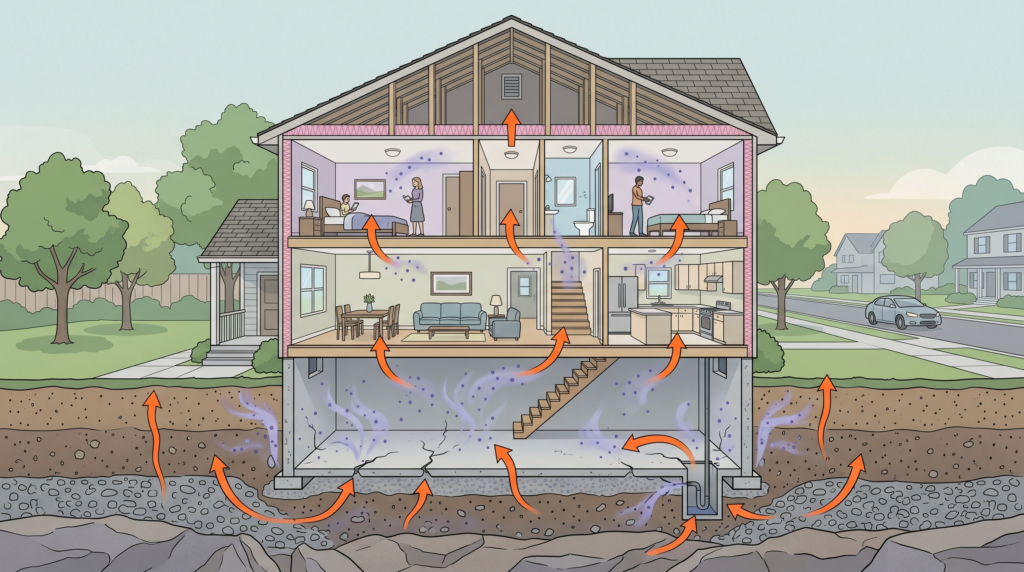
Radon gas is a gas that comes from the ground. It is made when uranium breaks down in the soil, rocks and water. Radon gas can get into homes through cracks in the foundation basement floors and crawl spaces. It can also get in through gaps around pipes and utility lines. Once radon gas is inside it can build up to dangerous levels especially in rooms that are not well ventilated. You can not tell if radon gas is in your home by looking or smelling you need to do a test to find out.
The only way to know if your home is safe from radon gas is to do a test. This is because radon gas is a problem.
Why Are Maryland Homes More Vulnerable to Radon Gas?
The ground in Maryland is made up of types of rocks and soil which can make it more likely for radon gas to get into homes. The type of soil, the density of the rocks and the amount of uranium in the ground all play a role in how much radon gas is in the air. Research shows that the levels of radon gas in homes in Maryland can be very different in the same neighborhood. One home may have levels of radon gas while another home just a few feet away may have high levels.
Some things that can increase the risk of gas in Maryland homes include:
- Basements that are built into the soil
- Older homes that have cracks in the foundation
- Homes that do not have ventilation systems
- Homes that have a lot of moisture in the crawl spaces
- Areas with soil that has a lot of uranium
Because of these differences just knowing where your home is located is not enough. Testing for radon gas in Maryland is a safety measure for homeowners, buyers and renters. Each home should be tested separately.
Radon Gas Health Risks to Be Aware Of
The big problem with radon gas is that it can make people very sick. Radon gas is the number one reason people get lung cancer besides smoking according to the U.S. Environmental Protection Agency. We need to let people know what radon gas can do to their health. This way homeowners will see that radon gas is a problem and they will do something about radon gas. They should do this before it is too late.
If people breathe in radon gas the radon gas can get stuck in their lungs. Cause damage over time. This can increase your risk of getting lung cancer. The risk is even higher for people who smoke and are exposed to radon gas, families who live in basements, homes that do not have air circulation and people who are exposed to radon gas for a long time without knowing it.
The scary thing is that there are no symptoms. The health effects of radon gas can take years to develop. It is important to test for it early.
Why Every Maryland Home Should Be Tested for Radon Gas
Testing for radon gas is important for any home’s safety. The levels of radon gas depend on the type of soil, the construction of the home and the ventilation, not just the location. That is why testing for radon gas in Maryland is recommended in situations, such as:
- Before buying or selling a home
- After finishing basement construction or renovation
- In homes that have basements or crawl spaces
- Every year as part of routine safety checks
Testing for radon gas is simple, easy to do and very effective. It usually involves putting a detector in the livable area of the home for a certain amount of time. The results will show whether the levels of radon gas are safe or if something needs to be done to fix the problem.
Both term and long-term tests are available with long-term tests giving a more accurate average of exposure.
Radon Gas Levels in Maryland Homes
The levels of radon gas in Maryland homes can be very different which makes it especially important for people to be aware of the problem. Some areas of the state have levels of radon gas due to the geology of the area while others are at lower risk.
However the U.S. Environmental Protection Agency says that any level of radon gas above 4.0 pCi/L is not safe and needs to be fixed. Even levels between 2.0 and 4.0 pCi/L can still be a risk over time depending on how people are exposed.
The levels of radon gas in a home can go up and down over time. This happens when the weather changes or the soil around the home moves. So it is really important to test for radon gas. We need to make sure the home is still a safe place to live.
Radon Gas Test Cost in Maryland: What Homeowners Should Expect
The cost of testing for radon gas in Maryland is relatively low compared to the health risks it can help prevent.
The cost can range from:
- You can buy DIY radon gas test kits at hardware stores. They are a cheap option.
- Professional radon gas inspections cost money but you get more accurate results and they are certified by someone who knows what they are doing.
- Real estate testing packages: often included in home inspections
Even professional testing is not very expensive compared to the potential medical costs of long-term exposure to radon gas.
When you think about it, checking for radon gas is an idea because it is one of the most affordable ways to keep your home safe.
What Happens If Radon Gas Levels Are High?
If the test results show that radon gas levels are high then the problem can be fixed with radon gas mitigation systems. These systems are very effective. Are used in many homes.
Some common solutions include:
- Sub-slab depressurization systems
- Vent. Radon gas exhaust fans
- Sealing foundation cracks
- Improving air circulation
In most cases these systems can reduce the levels of radon gas by up to 90-99% making the home safe again.
Prevention and Long-Term Safety Tips
After mitigation it is still important to keep an eye on the levels of radon gas. Homeowners should:
- Retest every 2-3 years
- Test again after renovations
- Maintain mitigation systems regularly
- Keep basements ventilated when you can.
Radon gas is a problem. It can be in a lot of homes and people may not even know it.
These steps will help keep radon gas levels from getting too high over time.
For people who live in Maryland it is really important to know about radon gas. People who live in Maryland need to do something about radon gas to avoid health problems.
People who live in Maryland should test for radon gas regularly. They should fix the problem if they find radon gas and keep checking to make sure radon gas levels stay low in their homes. This can really lower the risk of health problems from radon gas.
Taking gas testing in Maryland seriously will help protect families from this very dangerous invisible threat that is often found indoors. Radon gas testing in Maryland is something that should be taken seriously to keep families safe.
Frequently Asked Questions
The United States Environmental Protection Agency says we should do something if the levels of radon go over 4.0 pCi/L.
Every 2-3. After structural changes.
Yes the levels can be different between homes that are close to each other.
The risk is low for short-term exposure. Long-term exposure is the main concern.