- Welcome to Alhumd Inspections
Pool Inspections Service in Maryland: Protect Your Real Estate Investment with Alhumd Inspections
- Certified and Experienced Pool Inspectors
- Detailed Digital Inspection Reports
- Protect Your Investment and Family Safety
We identify potential issues such as leaks, faulty equipment, outdated electrical components, and safety hazards, providing clear recommendations to keep your pool safe and compliant with Alhumd Inspections
Special Gift for Our Customers
Call us today at (667) 686 -7281 Or Use Promo Code "SELFSCHEDULE" and get an $20 discount.
The Hidden Truth Behind Every Swimming Pool
A sparkling, crystal-clear swimming pool is often the centerpiece of a beautiful Maryland backyard. For homebuyers, it represents years of summer memories, relaxation, and family fun. For sellers, it is a premium feature that can significantly boost property value and attract serious offers.
But that inviting blue water is often a master of disguise.
Beneath the surface, a swimming pool is a highly complex mechanical system. It relies on underground plumbing networks, high-voltage electrical components, heavy-duty filtration mechanics, and precise structural engineering to function safely and efficiently. What looks pristine from the patio deck could easily be hiding a failing pump, a cracked heat exchanger, a slow underground plumbing leak, or a severe electrical safety deficiency.
Whether you are a homebuyer eager to make an offer, a seller preparing to list your property, or a real estate agent navigating a complex transaction, a standard home inspection is rarely enough. You need a dedicated, comprehensive pool inspections service in Maryland to protect your investment and uncover the true condition of the property.
At Alhumd Inspections, we specialize in providing thorough, independent, and certified pool evaluations. This in-depth guide explains exactly why professional pool inspections are non-negotiable in Maryland real estate, what our process entails, how much it costs, and how it directly impacts your closing process.
Why Choose Alhumd Inspections for Pool Inspection Services
Protect your investment with trusted certified pool inspection experts. At Alhumd Inspections, our experienced and certified inspectors use advanced equipment and proven inspection methods to identify structural issues, faulty equipment, electrical hazards, and safety compliance concerns. We provide affordable, transparent pricing with no hidden fees, along with fast scheduling and same-day detailed digital reports featuring clear findings and practical recommendations. Count on us for accurate inspections and reliable service for homeowners, buyers, sellers, and real estate professionals across Maryland.

What Is a Professional Pool Inspection?
A pool inspection is a systematic, documented evaluation of your swimming pool or spa by a certified professional. It covers structural integrity, mechanical systems, electrical components, safety features, and water chemistry.
For real estate transactions: A private third-party inspection is your best defense against post-closing surprises.
Our Complete Inspection Checklist:
- Structural Integrity (Shell/Coping)
- Hydraulic & Plumbing Systems
- Pump & Filter Evaluation
- Heater & Sanitization
- Electrical & Bonding (NEC 680)
- Safety & Barrier Systems
- VGB Drain Compliance
- Attached Spa Components
Why Clear Pool Water Is Misleading: The Hidden Risks
Homebuyers often operate under a simple but dangerous assumption: if the water is clear and the pump is humming, the pool must be in perfect working condition. Unfortunately, water chemistry is only a snapshot of the current moment. A homeowner can shock a pool with chemicals the day before a showing to make the water look spectacular, completely masking years of neglected maintenance.
Clear water tells you nothing about the internal condition of the multiport valve on your sand filter. It does not reveal whether the electrical bonding wire connecting your pool light to your pump motor is corroded and disconnected. It certainly does not show whether the underground skimmer plumbing is slowly leaking into the surrounding soil, washing away the earth that supports your pool deck.
General home inspectors are highly trained in evaluating residential structural, electrical, and HVAC systems. However, most standard home inspections explicitly exclude swimming pools from their scope of liability, or they merely offer a superficial visual glance. Some home inspectors will note obvious pool issues as a courtesy, but a meaningful pool assessment requires specific expertise in hydraulics, pool electrical systems, and construction standards.
When you buy a home with a pool without a specialized inspection, you are essentially buying a massive mechanical system completely blind.
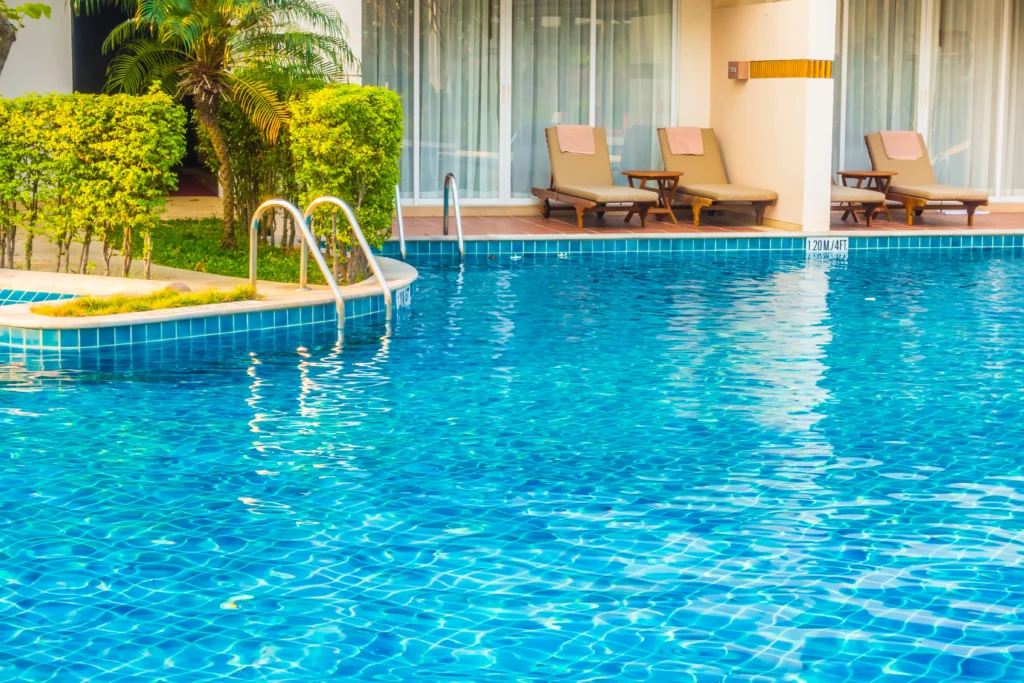
Why Clear Pool Water Is Misleading: The Hidden Risks
Homebuyers often operate under a simple but dangerous assumption: if the water is clear and the pump is humming, the pool must be in perfect working condition. Unfortunately, water chemistry is only a snapshot of the current moment. A homeowner can shock a pool with chemicals the day before a showing to make the water look spectacular, completely masking years of neglected maintenance.
Clear water tells you nothing about the internal condition of the multiport valve on your sand filter. It does not reveal whether the electrical bonding wire connecting your pool light to your pump motor is corroded and disconnected. It certainly does not show whether the underground skimmer plumbing is slowly leaking into the surrounding soil, washing away the earth that supports your pool deck.
General home inspectors are highly trained in evaluating residential structural, electrical, and HVAC systems. However, most standard home inspections explicitly exclude swimming pools from their scope of liability, or they merely offer a superficial visual glance. Some home inspectors will note obvious pool issues as a courtesy, but a meaningful pool assessment requires specific expertise in hydraulics, pool electrical systems, and construction standards.
When you buy a home with a pool without a specialized inspection, you are essentially buying a massive mechanical system completely blind.
What Does a Professional Pool Inspection Actually Cover?
A professional pool inspection is a systematic, documented evaluation of every major system and surface of the swimming pool. A certified pool inspector does not just look at the water; they put the equipment through its paces, assess structural integrity, and verify compliance with modern safety codes.
When you schedule a pool inspections service in Maryland with Alhumd Inspections, here is a detailed breakdown of what our comprehensive evaluation covers:
1. Mechanical and Equipment Evaluation
The equipment pad is the heart of your pool system. During the inspection, the system is operated under normal conditions to evaluate its performance, identify leaks, assess noise levels, and determine the overall condition of the equipment.
- Pump and Motor: The pump housing is checked for cracks, while the motor is inspected for overheating, shaft seal wear, capacitor condition, and strainer basket integrity. The inspector also estimates the unit’s remaining service life based on its age and overall condition.
- Filtration System: Cartridge, sand, and Diatomaceous Earth (DE) filters are inspected by comparing the current operating pressure with the recommended clean pressure. High pressure may indicate dirty or deteriorated filter media, while cracks in the filter tank can present a significant safety concern.
- Pool Heater: Gas heaters and heat pumps are tested to verify proper operation. The inspection includes the ignition system, burner assembly, heat exchanger, gas connections, combustion venting, and checks for corrosion or mineral buildup.
- Automation System: Smart pool automation controls are tested to ensure all connected equipment functions correctly. The control panel is also inspected for signs of water intrusion, damage, or aging electronic components.
2. Structural Integrity and Pool Shell Assessment
The structural components of the pool are carefully inspected to identify signs of damage, deterioration, or potential failure that could affect safety, performance, and long-term durability.
- Pool Interior Surface: The pool’s interior finish, including plaster, colored aggregate, or fiberglass, is examined for structural cracks, surface deterioration, delamination, etching, discoloration, and staining.
- Tile and Coping: Waterline tiles are inspected for cracks, loose or missing sections, and deteriorated grout. The coping is checked for movement, cracking, and separation from the bond beam, which can indicate significant structural concerns.
- Pool Deck: The surrounding concrete, paver, or wood decking is evaluated for cracks, uneven surfaces, settlement, drainage problems, and slip hazards. Signs of sinking or shifting may also indicate underlying plumbing leaks or foundation-related issues.
3. Plumbing, Filtration, and Leak Assessment
4. Electrical Safety and Code Compliance
5. Safety Features and Drain Compliance
The Strategic Advantage of a Pre-Listing Pool Inspection for Sellers
Pre-listing pool inspections are significantly underused by sellers in Maryland, and tapping into this strategy offers a massive advantage.
If there are issues with your pool—such as an aging pump or a failing heater—the buyer’s inspector will inevitably find them. When this happens, you are forced to react under the pressure of an impending closing deadline, often resulting in rushed, expensive repairs or steep price concessions.
By investing in a pre-listing inspection through Alhumd Inspections, you flip the dynamic. You discover any latent defects on your own timeline. This allows you to hire a contractor of your choice to address the issues at a standard market rate. You can then present potential buyers with a pool that has a clean bill of health, backed by documentation of recent repairs.
Furthermore, Maryland legally requires sellers to disclose known material defects. A pre-listing inspection creates a documented record of due diligence. When buyers perceive a well-maintained pool with a transparent history, it builds immediate trust, reduces negotiating friction, and keeps your real estate deal from falling apart at the last minute.
Why Home Buyers Must Never Skip the Pool Inspection
For homebuyers, skipping the pool inspection means taking on a massive financial unknown. Consider the potential costs of hidden defects in the Maryland area:
- Aging Pool Pump (10+ years old): $800 to $1,500 to replace.
- Gas Heater with a Cracked Heat Exchanger: $1,500 to $4,000 for repair or replacement.
- Electrical Bonding and Grounding Deficiencies: $500 to $2,000 for a licensed electrician to correct.
- Non-Compliant VGB Drain Covers: $200 to $500 to replace (inexpensive, but a severe safety and code issue).
- Underground Plumbing Leak: $3,000 to $15,000 to locate and excavate.
- Full Interior Surface Resurfacing: $10,000 to $25,000 depending on size and material choice.
A professional pool inspection is a minor upfront investment that acts as an insurance policy against inheriting a five-figure repair bill. When the inspection uncovers legitimate issues, it gives you the data needed to make smart decisions. You can request a repair credit, adjust your purchase offer, require the seller to address specific safety items before closing, or simply walk away if the scope of the damage is too severe.

Maryland Pools Are Different And Your Inspector Should Know That
Inspecting a pool in Maryland is not the same as in Arizona or Florida. Our mid-Atlantic climate is one of the most demanding environments a residential pool can face.
The Freeze-Thaw Problem
Winters drop to single digits in places like Frederick and Carroll County. When water enters microscopic cracks and freezes, it expands. We look for this pattern of seasonal structural damage that generic inspectors often miss.
Hidden Winter Damage
For 6 months, a pool cover hides algae, deterioration, and cracked skimmer baskets. We evaluate condition even without a running system, checking exactly what lies underneath that cover.
Expansive Clay Soils
Much of Central Maryland sits on expansive clay soils that shift with moisture. This causes bond beam cracking and uneven deck settlement. Our structural assessment specifically accounts for these soil conditions.
Our Experience & Achievements
Maryland-Specific Compliance Standards
We don’t just look at the pool; we ensure it meets legal safety requirements.
Safety Compliance Details
Virginia Graeme Baker (VGB) Act: We check every main drain cover and suction fitting for anti-entrapment standards. Non-compliant covers pose a serious drowning risk.
National Electrical Code (NEC) Article 680: Electrical bonding failures are among the most dangerous defects. We systematically check all accessible bonding and grounding connections to prevent electric shock.
Public Pool Standards (COMAR): For HOAs and commercial pools, we help identify compliance gaps before county health department inspections.
Report Delivered in 24 Hours
Our reports are written to be usable — not just descriptive. Every deficiency is categorized by severity:
- Immediate Attention: Safety hazards or active leaks.
- Monitor: Wear items that will need service soon.
- Maintenance: Cosmetic or routine care items.
Use this report to negotiate seller credits, plan your budget, or verify insurance claims.
Common Pool Defects Found in Maryland Properties
Coping Separation and Deck Movement
Outdated and Non-Compliant Drain Covers
Why We Are Different
| Feature | Generic Home Inspector | MD Pool Inspection Experts |
|---|---|---|
| Seasonal Context | Generic Checklist | Freeze-Thaw & Clay Soil Specialists |
| Off-Season Inspection | Often Refused | Year-Round Service (incl. cover removal) |
| Electrical Bonding | Visual Check Only | Systematic Verification |
| Leak Detection | Not Offered | Digital & Acoustic Detection Available |
| Report Turnaround | 3–5 Days | Within 24 Hours |
Your Certified Home Inspection Partner Serving Maryland, DC Metro & Southern Pennsylvania
- Bethesda
- Columbia
- Germantown
- Silver Spring
- Silver Spring
- Ellicott City
- Olney
- Potomac
- Laurel
- Crofton
- Westminster
Frequently Asked Questions
Yes. Maryland pools are typically winterized from October through April. We perform inspections year-round. When a pool is not operational, we clearly note what could and could not be evaluated and provide a professional opinion on the equipment’s apparent condition.
Maryland law does not require it, but it is strongly recommended. A pool represents $20,000 to $80,000+ in replacement cost. Identifying issues before closing gives you negotiating leverage.
Yes. We offer digital water loss testing and advanced acoustic/digital leak detection services. This requires the pool to be filled to the normal operating level with clear water.
Fees generally range from $150 to $400 depending on size and additional services (like leak detection). Contact us for a specific quote—transparent pricing with no hidden fees.
Real Reviews from Satisfied Clients
 Posted on Google
 Lyle Matsuoka
Trustindex verifies that the original source of the review is Google.
Ahmed is very knowledgeable and talks you through everything he is doing. Does an initial review with you and provides details. Recommend his services to everyone needing a home inspection.Posted on Google Joycelynn MatsuokaAhmed is thorough and explains everything throughout the inspection process. He is transparent and honest. The report was broken down and easy to understand. I would recommend him. As a first time homeowner, having Ahmed walk us through the inspection process is a breath of fresh air and gives us confidence that we are making the right choice and gives up peace of mind.Posted on Google
 Ashley WilkersonAhmed was a pleasure to work with. He was very professional and punctual. We received our inspection very quickly and it was really informative. I would definitely recommend him to anyone needing an inspection for their property.Posted on Google
 Blerta PAhmed did a fabulous job during the condo inspection. He is efficient, clear in his explanations, and sent me the report right away. Highly recommend!Posted on Google
 Akm UddinExcellent service and modern tech driven services. Very satisfied. Ahmad is really thorough and took time to do the perfect inspection.Posted on Google
 SethAhmed was friendly, professional, and thorough in his inspection. He was very knowledgeable and answered all my questions. As a first time homebuyer, I feel very comfortable and confident moving forward with the information Ahmed provided. I'm glad I chose to work with him and definitely recommend!Posted on Google
 T EAhmed is truly amazing! He was thorough and meticulous in completing our home inspection. He took the time to answer all of our questions and explained in detail any areas of concern. The drone feature he used was quite impressive and provided a full view of the state of our roof. We are delighted with his service and would recommend him 100%.Posted on Google
 TONY BELTRANThe inspection was very detailed covering every area of the house. Ahmed gave us the opportunity to ask questions along the way. He explained everything we needed to know and gave us the appropriate recommendations to follow. The drone was a plus to inspect the roof. Recommend Ahmed 100%Posted on Google
 Olivia LangI had a great experience with Alhumd inspections. They were extremely thorough and efficient. I Plan to continue working with Alhumd for future inspections.