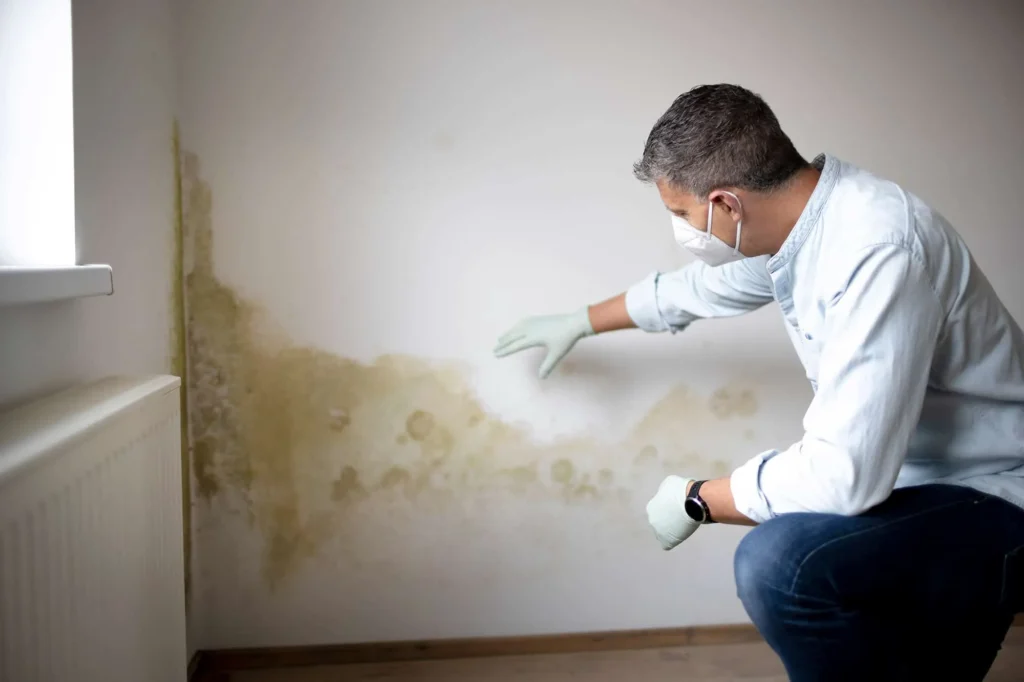
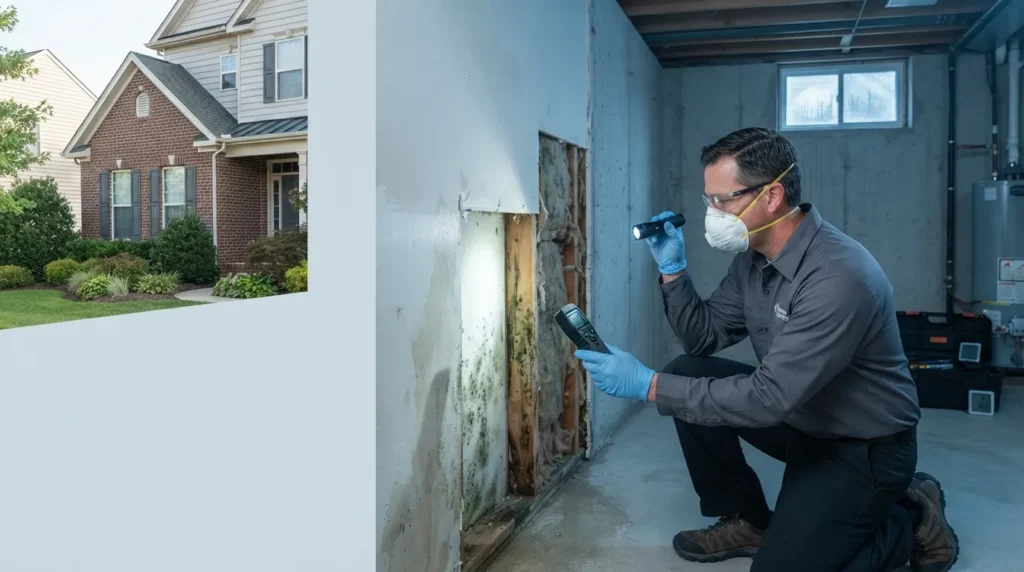
Due to humid summer weather and plenty of rains that take place almost throughout the whole year, Maryland is one of those states that provide favorable conditions for mold development and growth. However, you may have the mold infestation inside your home without even realizing that it happens right now since it can grow unnoticed for a while, hiding behind walls, floors, or other areas.
This is precisely why it is critical to be timely with Mold Inspection Maryland service, and this guide explains you all the hidden clues that every Maryland homeowner should pay attention to, as well as what the process of Home Mold Inspection entails.
Why Mold Is Common in Maryland Homes
The climate in Maryland almost ensures that mold will form. The high levels of humidity experienced in the summertime, alongside the abundant precipitation across the entire year, means that moisture levels stay much higher both inside and outside of homes in Maryland than in other, less humid areas.
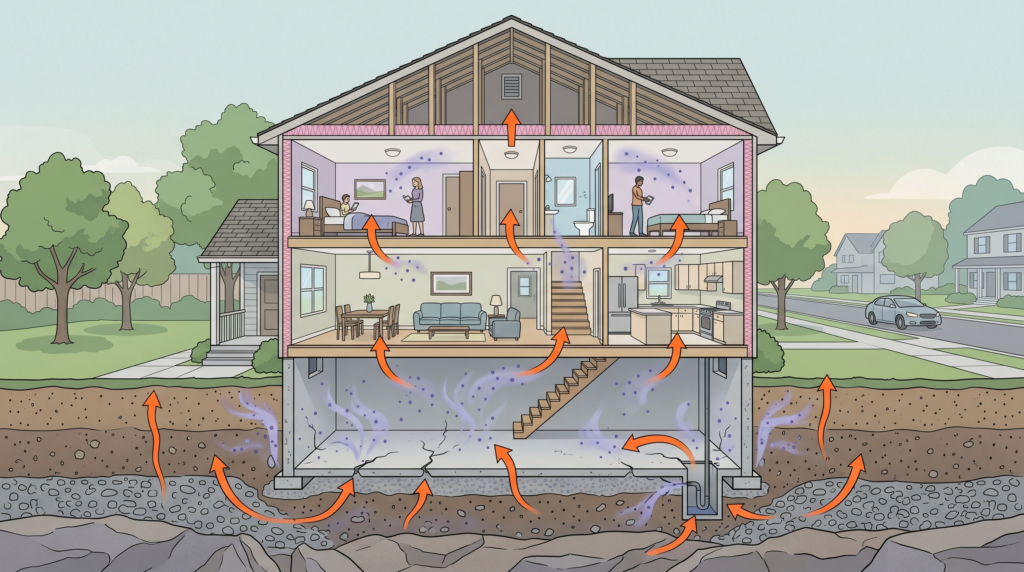
The flooding brought on by storms poses another potential hazard, especially for houses that have basements or crawl spaces. The water in a basement, in particular, tends to remain in the basement long after the storm because it takes longer for these underground rooms to dry compared to the other parts of the house. Bad ventilation in bathrooms, attics, and laundries exacerbates this problem by not allowing the water to escape the house.
Older buildings suffer from yet one more issue, being generally built prior to current standards in terms of moisture protection and ventilation. All of these factors contribute to the creation of favorable conditions for mold to form in the state’s climate.
Schedule Your Mold Inspection Today
Don’t let hidden mold damage your home or affect your family’s health. Book a professional mold inspection today and get peace of mind with a thorough, expert assessment.
Book Your Inspection NowHidden Signs You Need a Mold Inspection
Persistent Musty Odors
In case of the presence of a very pungent odor despite the lack of any visible mold, then it is most likely one of the simplest ways to indicate the problem. There are various places where mold can flourish despite the fact that it is not visibly present, such as walls, floors, and even in HVAC systems. With the assistance of Mold Inspection Maryland, it is possible to determine the origin of the odor.
Water Damage After Maryland Rainstorms
Leakages on roofs, floods in basements, leakages in pipes and stains on ceilings are some of the many problems that follow the heaviest rains in Maryland. Although the surface may seem dry, the water retained in the walls and beneath the floor may sustain the mold growth for a couple of weeks. One way to detect mold problems is through Mold Testing Maryland.
Mold in Basements & Crawl Spaces
Dampness in crawl spaces, moisture on pipes or walls, and even moisture in the foundations provide an ideal environment for the growth of molds in the basements and crawl spaces of houses in Maryland. The cool, damp environment in these spaces provides just what the molds need for their growth.
Peeling Paint or Bubbling Walls
The bubbling paint, the warping of drywall, and the soft spots found in walls are not mere aesthetic problems. There is virtually always moisture hidden behind such surfaces, and when moisture becomes trapped, mold is never too far behind.
Increased Allergy Symptoms
In case you sneeze, cough, have itchy eyes, headache, or even asthmatic attacks that seem to worsen when you stay indoors as compared to other places, then it may suggest problems with indoor air quality due to mold growth. The CDC explains that mold exposure leads to allergy problems, and therefore it would be wise to conduct a Home Mold Inspection.
High Indoor Humidity
Condensation on windows, excessive moisture in the air, and humidity in the house exceeding 60 percent are some examples of signs that mold may grow in such conditions. That is why the EPA advises that the optimal indoor humidity should be maintained in the range of 30 to 50 percent.
Areas Where Mold Commonly Hides
Mold rarely limits itself to obvious, visible spots. Some of the most common hiding places in Maryland homes include:
- Behind drywall
- Under carpets
- Under hardwood flooring
- Inside HVAC systems
- Behind cabinets
- Attics
- Crawl spaces
- Basements
- Around plumbing fixtures
Because so many of these areas are hidden from everyday view, mold can spread significantly before a homeowner ever notices a visible sign.
Why DIY Mold Checks Often Miss Hidden Problems
Although it is very easy to get an at-home mold test kit, you might find yourself getting misled by what the test says because of the following reasons. First, the mold spores are tiny organisms, and those that develop behind the wall or under the floor are hard to find without the help of professional instruments. Cleaning a surface affected with mold does not solve the issue as mold could have extended its growth somewhere else.
Moreover, do-it-yourself tests may give wrong indications and underestimate or even overlook mold growth where it is located not within your reach. The Home Mold Inspection is much more than a simple test one gets from a drug store; it has special devices to help find out things invisible to naked eyes.
Benefits of Professional Mold Inspection
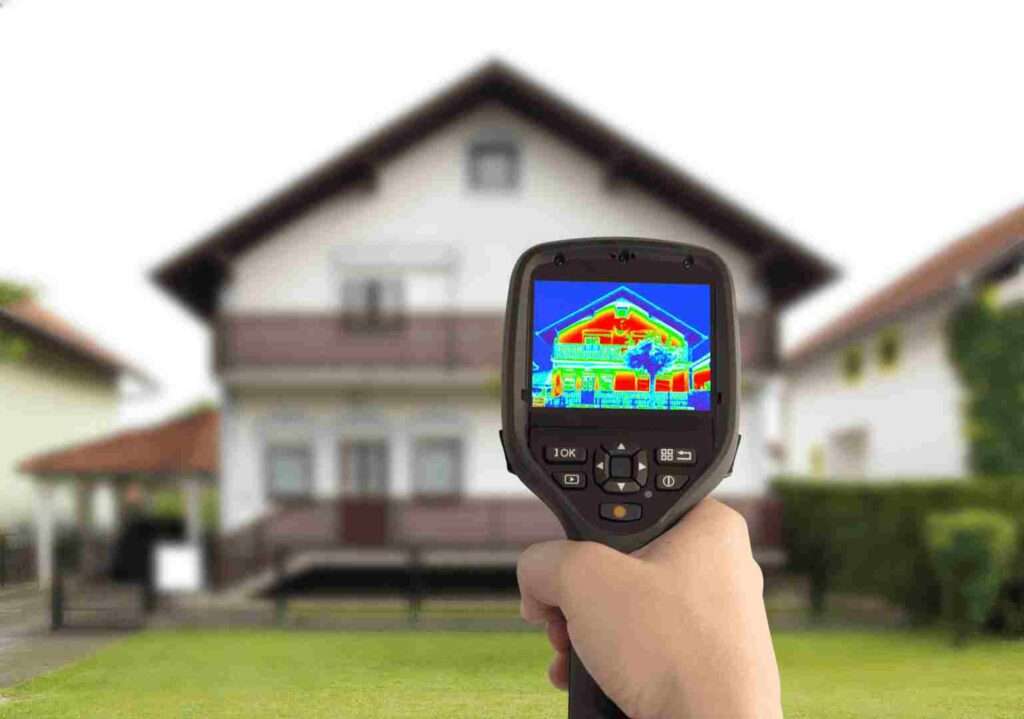
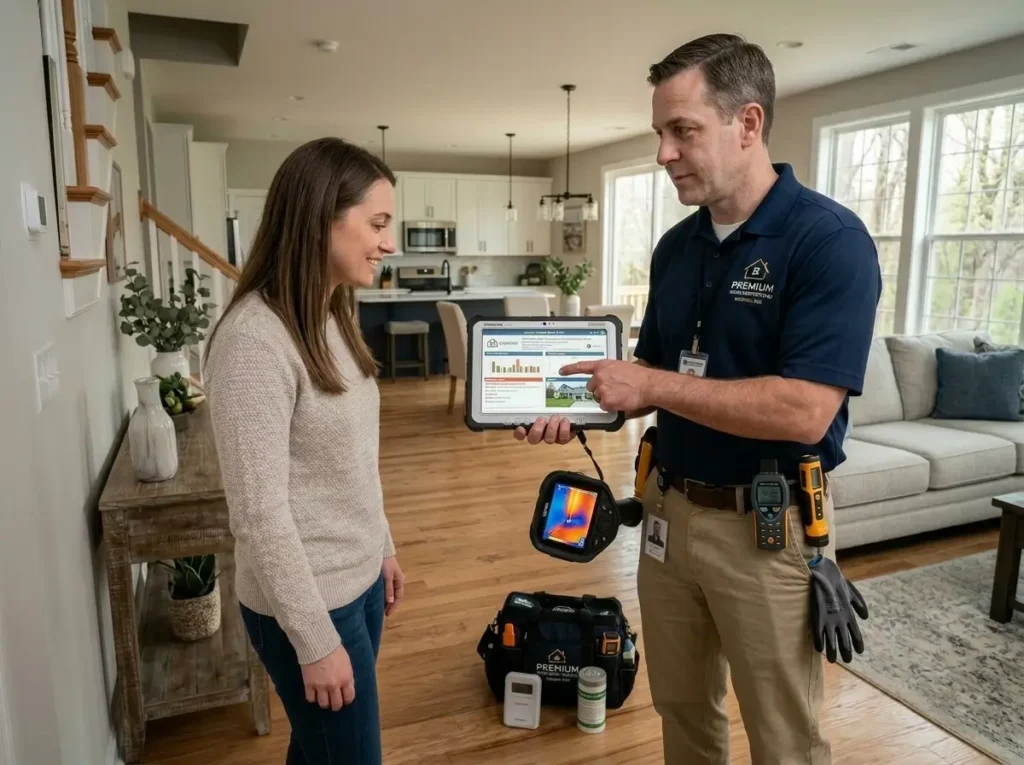
Some of the equipment used in Mold Inspection Maryland services goes beyond simple visual identification. The use of moisture detectors helps detect any areas that have been moistened but not yet made visible, while the thermal imaging camera helps detect any temperature changes that show moisture behind walls and ceilings.
The air quality test will help you know how many mold spores exist in your house while surface sampling helps you know the exact types of molds that you have in your house. All this ensures that identification is done much more accurately compared to simply doing a visual inspection.
Professional Mold Testing Maryland does not only protect your property from being damaged; it also ensures the good health of your family through air quality test. At the end of this inspection, homeowners are given an inspection report about what has been done.
What Happens During a Professional Mold Inspection?
Professional mold inspection generally involves a standard procedure, whether it’s carried out by any company:
- Inspection visually of visible areas like attics, basements, and crawl spaces
- Testing by moisture meter for moist materials which appear dry
- Detection through thermal imaging for temperature variations indicating presence of moisture
- Air sampling to determine the presence of mold spores in the house
- Surface sampling in areas of suspected or visible mold
- Laboratory analysis of the collected samples to determine mold species and quantity
- Comprehensive report of the results gathered from the entire house
- Remediation protocol to address how to proceed further if mold presence is confirmed
The process is designed such that no detail goes unnoticed, especially those hard-to-reach areas where mold usually goes unnoticed.
When Should Maryland Homeowners Schedule a Mold Inspection?
There are some scenarios where you should consider scheduling a mold inspection promptly. If one or more of the following applies to your property, it might be a good idea to look for a Mold Inspector Near Me:
- After experiencing rain or storms
- After flooding
- Before buying a house
- Before selling a house
- After water damage, whether it is a small leak or a larger problem
- When there are odors in the home with no apparent cause
- When people living in your home are experiencing allergy symptoms
- Before remodeling walls, floors, or pipes
Tips to Prevent Mold Growth
Whereas inspections help identify pre-existing problems, there are a number of things that may be done to prevent the development of mold:
- Maintain indoor humidity below 50 percent
- Address any leaks immediately, whether big or small
- Improvement of ventilation in bathrooms, kitchen, and laundry room
- Regularly clean gutters to prevent accumulation of water near the foundation
- Use of dehumidifiers in basements and other areas with high moisture
- Allowing dryness of moist areas within 24 to 48 hours after water contact
- Regular checks of basements and crawl spaces
Although it may be impossible to eliminate all dangers because of the weather conditions in Maryland, these will certainly go a long way in preventing the development of mold.
Conclusion
The mold that has been hidden inside walls will take months before it starts making itself known, which is precisely the reason why early mold detection becomes critical in such a situation. A mold detection service will not only help you keep your home safe but also secure the well-being of your family members.
So, if you suspect something serious is happening in your home, whether it is a strong musty odor, some water damage, or allergies that have appeared recently, then get in touch with the Mold Inspection Maryland services immediately.
Don’t let hidden mold put your home and health at risk. Schedule your professional mold inspection with Alhumd inspection today.
Frequently Asked Questions
Consistent musty smell, water damage, stains or allergies experienced at home all suggest it is time for you to have a mold inspection done.
Depending on the size of your house and the extent of work needed, a mold inspection is quite affordable compared to the cost of mold remediation and home repair in the future.
Mold inspection entails looking for signs of moisture and molds in your home, both visible and invisible, while testing involves sampling from the air or other surfaces for types of molds.
Yes, mold grows behind drywalls, floors, and even in HVAC systems before becoming visible to the naked eye.
Depending on the size of the house or complexity of the task, a mold inspection usually takes a couple of hours.
Yes, testing is important after any instance of water damage.
Yes, exposure to mold could aggravate asthma and allergies among children and animals, especially those who have pre-existing conditions.
One mold test each year would suffice; additional tests should be conducted when there is a storm or flood.