Buying a home in Maryland is a monumental step. From the historic rowhomes of Baltimore to the modern suburban developments in Montgomery and Howard counties, the real estate market here is diverse and competitive. However, beneath that fresh coat of paint or newly renovated kitchen, there could be hidden issues waiting to drain your bank account. That is where the home inspection report becomes your ultimate shield.
At Alhumd Inspections, we believe knowledge is power. A detailed inspection report is the bridge between a risky investment and a confident purchase. Let us explore exactly what a home inspection report is, how it protects you, and why Alhumd Inspections delivers the gold standard in reporting across the state of Maryland.
Schedule Your Maryland Home Inspection Today
Whether you’re buying, selling, or investing in a property, Alhumd Inspections provides detailed, photo-rich home inspection reports that give you the confidence to make informed decisions. Book your professional home inspection today and protect your investment with trusted experts across Maryland.
Schedule Your Home InspectionWhat Exactly is a Home Inspection Report?
A home inspection report is a comprehensive, written document that records the physical condition of a property at a specific point in time. It is the final product of a non-invasive, visual assessment of the home’s major systems and components, spanning from the foundation to the roof.
According to recent industry data, a quality home inspection can save a buyer an average of fourteen thousand dollars in future repair costs. It is not just a procedural formality; it is a vital financial safety net. While the term often applies to residential single-family homes, the principles apply equally to condominiums, multi-unit buildings, and townhouses so common in the Maryland landscape.
The Anatomy of an Alhumd Inspections Report
Not all inspection reports are created equal. A poorly written report can cause confusion, while a masterfully crafted one provides clarity and actionable direction. At Alhumd Inspections, we pride ourselves on delivering reports that are objective, thorough, and packed with visual evidence. Here is exactly what you will find inside our documentation.
The Executive Summary
This section is the urgent headline news of your home condition. We highlight the most critical findings, focusing primarily on major defects and immediate safety hazards. While we always encourage our clients to read the full document, the executive summary gives you the most pressing information at a glance so you can quickly assess the severity of the property issues.
System by System Findings
We organize the body of the report logically by the home’s major systems. In Maryland, our varied climate ranging from humid summers to freezing winters means we pay special attention to specific areas.
Roof and Attic
We evaluate shingles, flashing, gutters, and visible framing. Maryland weather can be tough on roofing, so we look for wear that could lead to leaks during heavy rain or snow.
Basement and Foundation
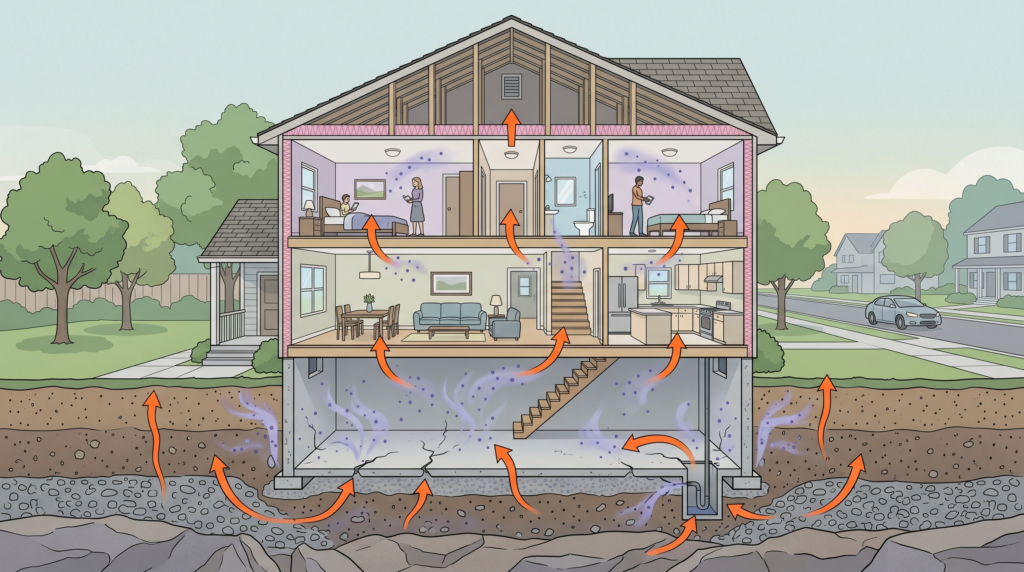
We check for moisture intrusion, structural cracks, and signs of settlement. Given the high water tables and clay soils in many parts of Maryland, basement dampness is a common issue we scrutinize carefully.
Plumbing and Electrical
We document pipe materials, water pressure, main shut-off valves, and circuit breaker panels. Ensuring these systems are safe and functional is paramount for your family’s safety and daily comfort.
HVAC Systems
We detail the furnace and air conditioning units. Proper heating and cooling are essential for surviving Maryland’s seasonal temperature swings without exorbitant utility bills.
Visual Evidence with Annotations
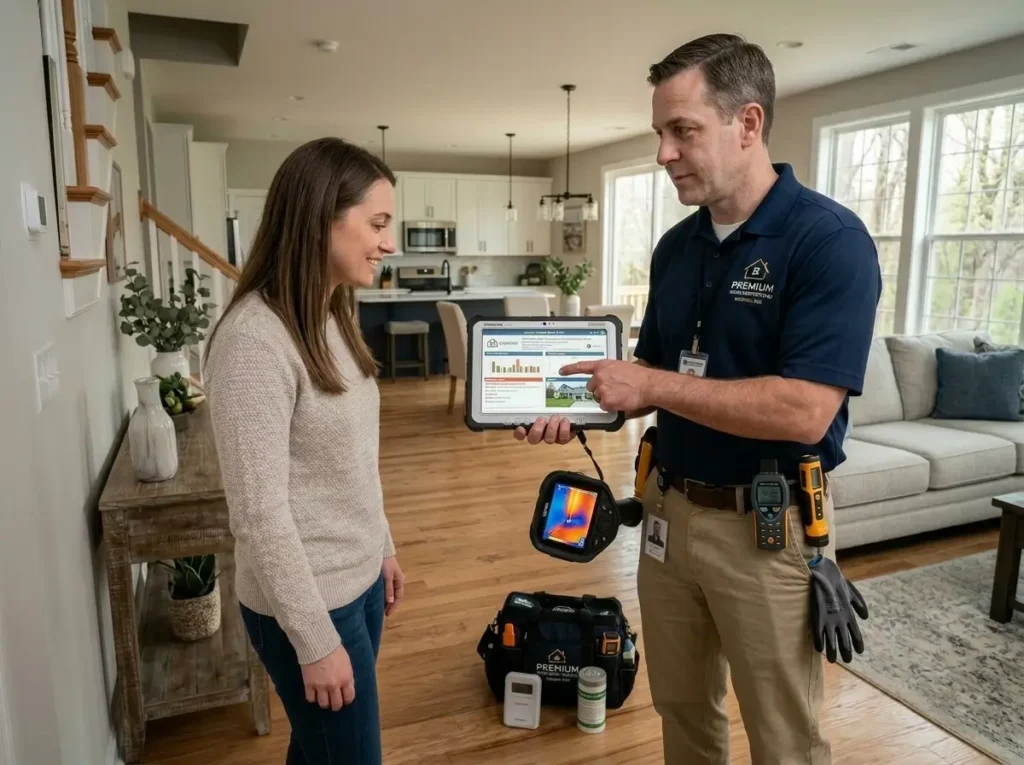
If a defect is found, we do not just tell you about it in text; we show you. Our reports include high-resolution photos with annotations and arrows pointing directly to the issue. This visual proof eliminates ambiguity. You will know exactly where the problem is located and what it looks like, even if you are not a construction expert.
Severity Ratings and Actionable Recommendations
We categorize every issue by severity, typically labeling them as Major Defect, Minor Defect, or Safety Hazard. This prioritization helps you understand the urgency of each problem. Furthermore, we provide clear, actionable recommendations. We avoid vague language. Instead of saying the roof is bad, we state that the roof shingles are curled and brittle, indicating the end of their useful life, and we recommend consulting a licensed roofing contractor for replacement.
Types of Home Inspection Reports
Depending on your role in the real estate transaction, you might need a different type of inspection. Understanding these variations ensures you get the right documentation for your specific needs.
Standard Pre-Purchase Inspection Report
This is the most common type, designed to give potential buyers a comprehensive overview of the home before finalizing a purchase. It covers all the major systems and provides the leverage needed for negotiations.
Pre-Listing Seller Inspection Report
Smart Maryland sellers are increasingly hiring Alhumd Inspections before putting their homes on the market. A pre-listing report allows you to identify and address issues in advance, making your home more attractive to buyers, avoiding surprise negotiations during the closing process, and potentially yielding a higher selling price.
House Defect Report
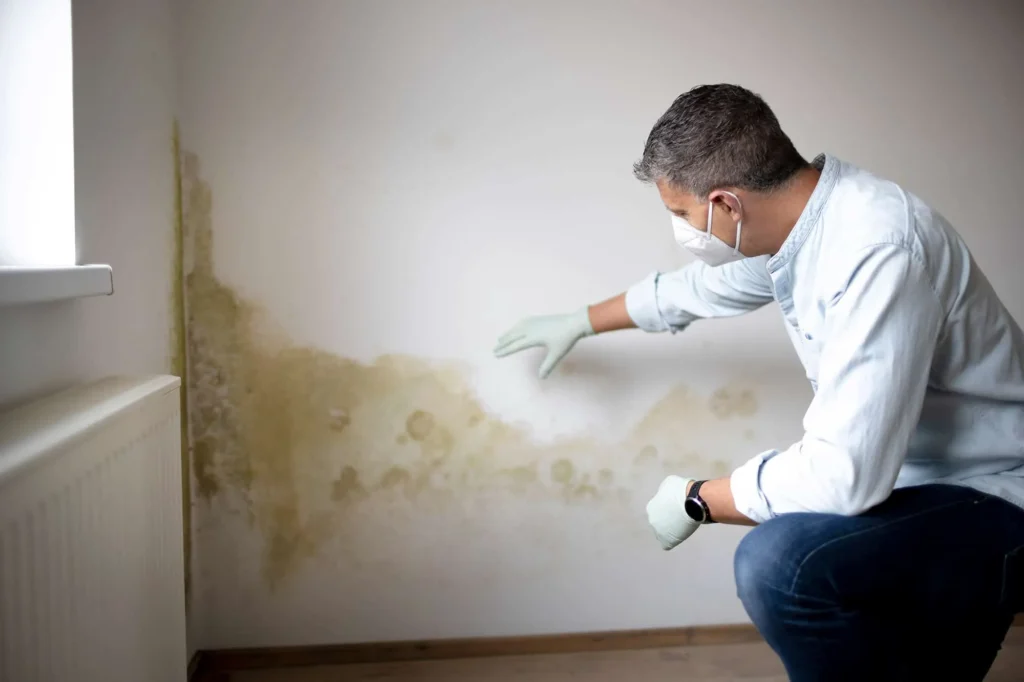
Sometimes an inspection is driven by a single, specific problem. A house defect report focuses on a targeted issue, such as a recurring leak, foundation movement, or suspected mold. It provides a detailed analysis of the defect, determines its cause and extent, and recommends specific remediation steps.
Property Management and Rental Reports
For landlords and property managers in Maryland, documentation is key to avoiding disputes. We provide move-in, routine, and move-out inspection reports. A move-in report establishes the baseline condition before a tenant takes possession. A move-out report compares the current condition against that baseline. This comparison is the legal foundation for any deductions from a tenant’s security deposit, protecting property owners from unwarranted claims.
How Maryland Buyers and Sellers Use the Report
For Home Buyers: Negotiation Leverage
In a competitive Maryland market, your inspection report is your negotiating blueprint. You can use the documented defect list to ask the seller to make specific repairs before closing, request a price credit or reduction to cover the cost of repairs you will handle yourself, or, in extreme cases, walk away from the deal if the structural or safety issues are too severe and the seller refuses to address them.
For Home Sellers: Transparency and Trust
By providing a pre-listing report from Alhumd Inspections, you signal to buyers that you are transparent and honest about your home’s condition. This builds immediate trust, reduces the chances of buyers backing out due to inspection fears, and streamlines the entire closing timeline.
The Alhumd Inspections Difference: Best Practices in Report Writing
We Never Rush the Process
We take the time to review our findings off-site. Completing a report under the pressure of an on-site visit can lead to mistakes, typos, or overlooked defects. By reviewing the data and photos with fresh eyes in our office, we ensure that no detail is missed. We often catch subtle issues in photos that might have been missed during the physical walk-through, providing you with a more accurate final product.
We Stick to the Facts Without Bias
Our job is to report the objective condition of the property, not to steer your decision. We avoid prescriptive or alarmist language. We tell you what the problem is, but we let you decide how to proceed. We also avoid making predictions about future failures; we only document the current factual state.
Plain Language Without Confusing Jargon
We write our reports in plain, understandable English. You should not need a construction degree or an engineering background to understand the condition of your home. We use simple terms and short sentences to communicate clearly. If a technical term is necessary, we include a glossary to define it.
Comprehensive Photo Documentation
We take hundreds of photos during every inspection. We document defects, of course, but we also document areas that are in good condition. This proves that we physically inspected that area and provides a snapshot in time that protects you, and us, from future claims about items we supposedly missed.
Proper Use of Disclaimers
We include thoughtful disclaimers that outline the limitations of a visual inspection. We cannot see through walls or move heavy furniture. Stating these limitations clearly protects you from unrealistic expectations and protects our team from meritless claims. We keep disclaimers concise and relevant, avoiding the clutter of unnecessary legal jargon that can confuse the main findings.
Frequently Asked Questions About Home Inspection Reports
What does a typical home inspection report look like?
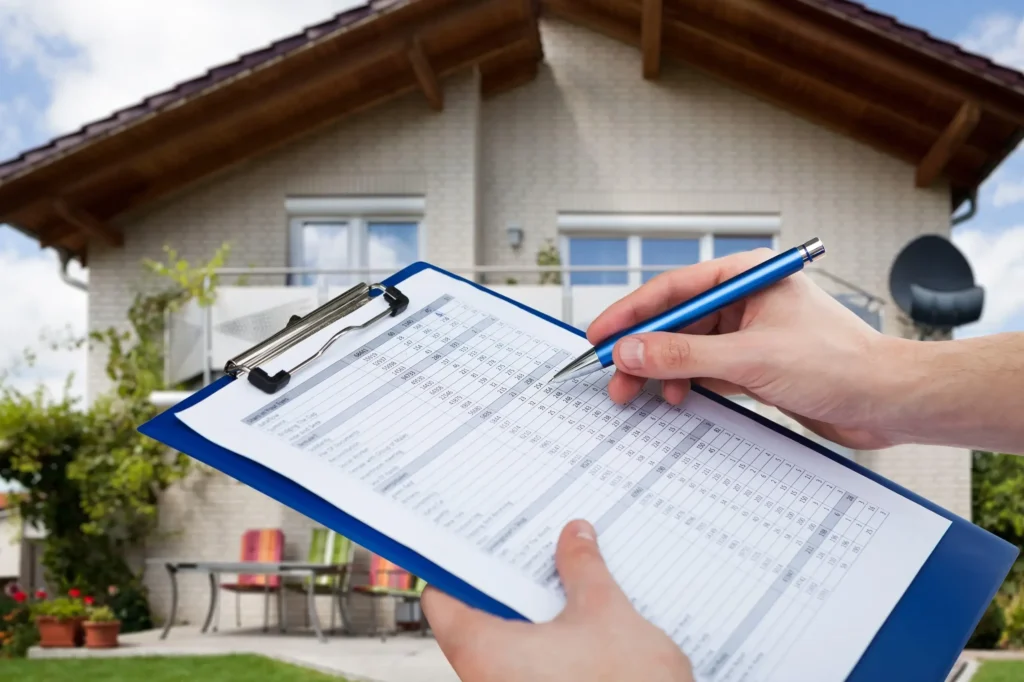
A professional home inspection report is usually between twenty and one hundred pages long, depending on the size and condition of the property. It opens with a cover page and table of contents, followed by the executive summary. The body is organized by building system, with each section listing the component, its condition, any defects, accompanying photos, and recommended actions. Reports generated by modern software, like we use at Alhumd Inspections, feature consistent layouts and color-coded severity ratings for easy reading.
What is the difference between a home inspection report and a property condition report?
A home inspection report is typically used in residential real estate transactions and covers visible defects across the home’s major systems. It is conducted by a licensed home inspector. A property condition report (PCR) is a more formal document used in commercial real estate. It is usually commissioned by lenders or investors and conducted by a licensed engineer or architect. Both document property conditions but differ in scope and required credentials.
Who is responsible for repairs in an HOA property?
In condominiums or townhomes governed by a Homeowners Association (HOA), the HOA is typically responsible for the building exterior, roof, shared structural elements, and common areas. Interior elements such as plumbing fixtures, electrical panels, HVAC units, and flooring are generally the homeowner’s responsibility. When reviewing your Alhumd Inspections report for an HOA property, cross-reference each major finding against the HOA Covenants, Conditions, and Restrictions (CC&Rs) to determine which party is responsible for the repair before negotiating with the seller.
Can I use a free PDF template for my inspection?
While free PDF templates exist online, they have significant limitations. They are not customizable, they cannot embed high-quality photos cleanly, and they require tedious manual data entry. For a professional transaction involving hundreds of thousands of dollars, a generic PDF template lacks the thoroughness and presentation needed for serious negotiations. Alhumd Inspections uses industry-leading digital software to generate prefilled, formatted, and photo-heavy reports instantly, ensuring a superior product.
What is a house defect report?
A house defect report is a focused inspection document that examines a specific, known problem in a property, such as a recurring roof leak, foundation movement, or suspected mold growth. Rather than assessing the entire home, it zeroes in on that single issue to determine its root cause, extent, and the proper remediation approach. It is more specialized and targeted than a standard pre-purchase inspection.
Conclusion
Whether you are buying your first condo in Silver Spring, selling a family home in Columbia, or managing a rental portfolio in Frederick, a home inspection report is your greatest asset for legal protection, financial negotiation, and peace of mind. Do not leave your biggest investment to chance. Trust the detailed, objective, and easy-to-understand reports provided by Alhumd Inspections. Contact Alhumd Inspections today to schedule your Maryland home inspection and get the clarity you deserve.