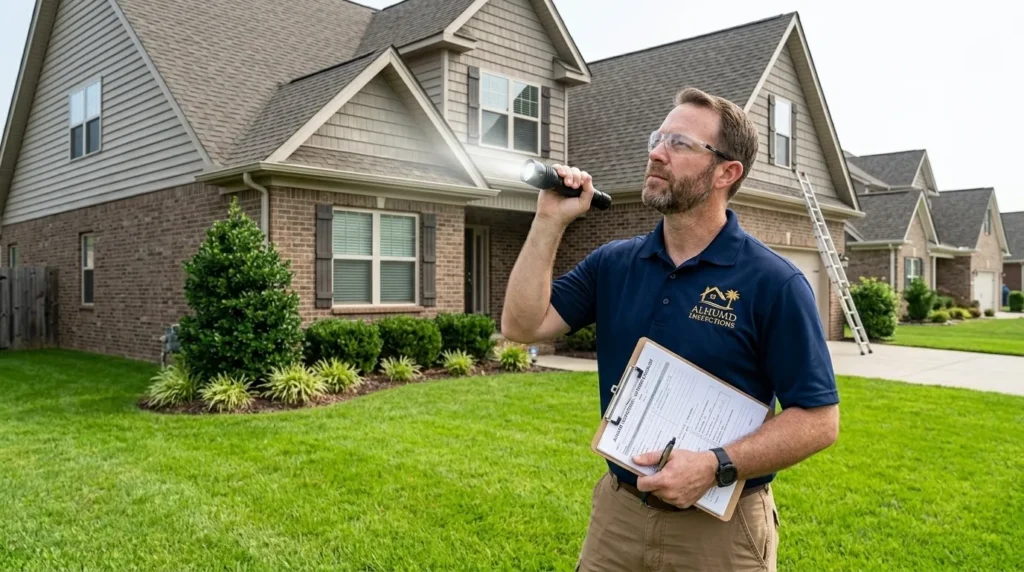
One of the biggest purchases that you’ll have to make in your life is the purchase of a house, and the inspection process is the only thing that will protect you from having other people’s troubles. However, most people take more time choosing paint colors rather than choosing the professional who will check the roof, the foundation, plumbing and electrical systems of the property.
If you are looking for how to find a home inspector, then this guide includes all necessary information about reasonable price, credentials, technology used by a good inspector, and signs when it is better to continue the search. After reading, you’ll understand how to hire an inspector, and what you can expect after booking Alhumd Home Inspection.
Choose a Home Inspector You Can Trust
Your home inspection should give you confidence, not more questions. Alhumd Home Inspection provides detailed inspections with clear reports, modern tools, and expert guidance to help you make the right decision.
What Does a Home Inspector Actually Do?
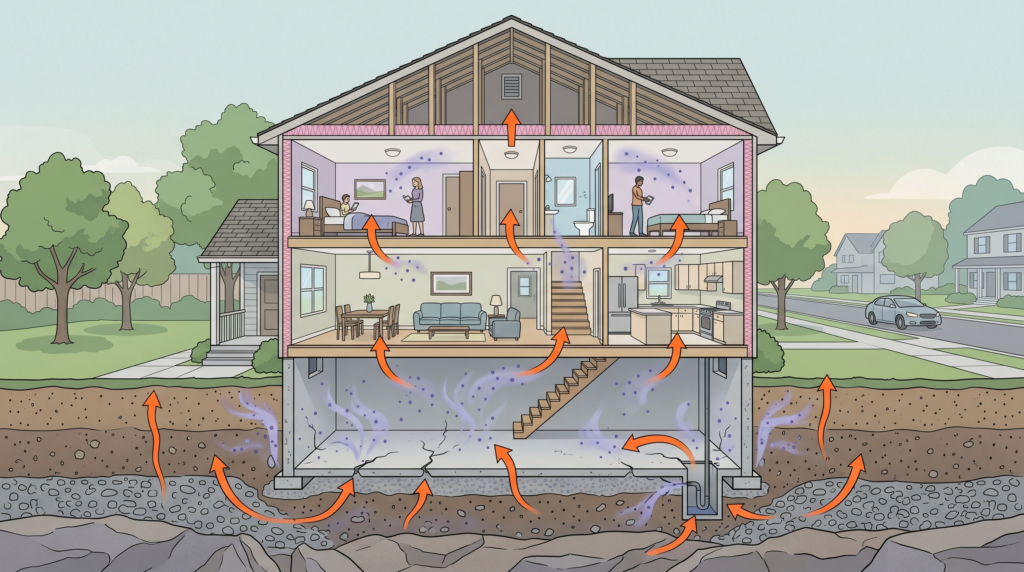
The home inspector will inspect the visible and accessible areas of your home, such as the roof, the foundation, plumbing, the electrical box, the heating, ventilation, air conditioning system (HVAC), insulation, and structure. The inspector will document your home’s condition on that particular day, allowing you the room to renegotiate and make changes to your offer accordingly.
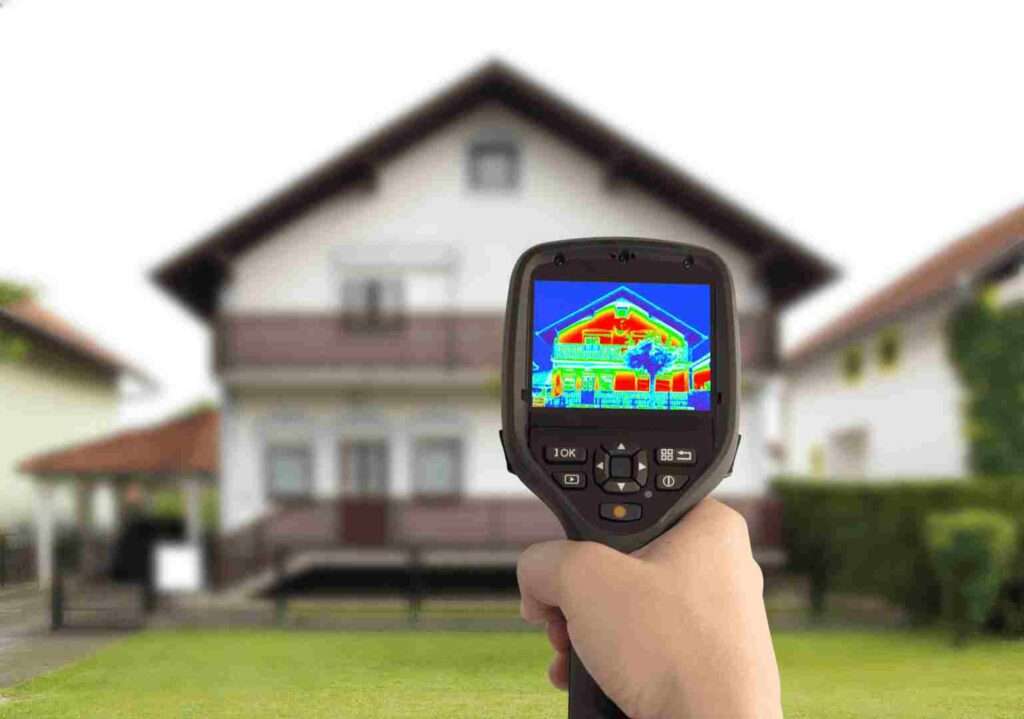
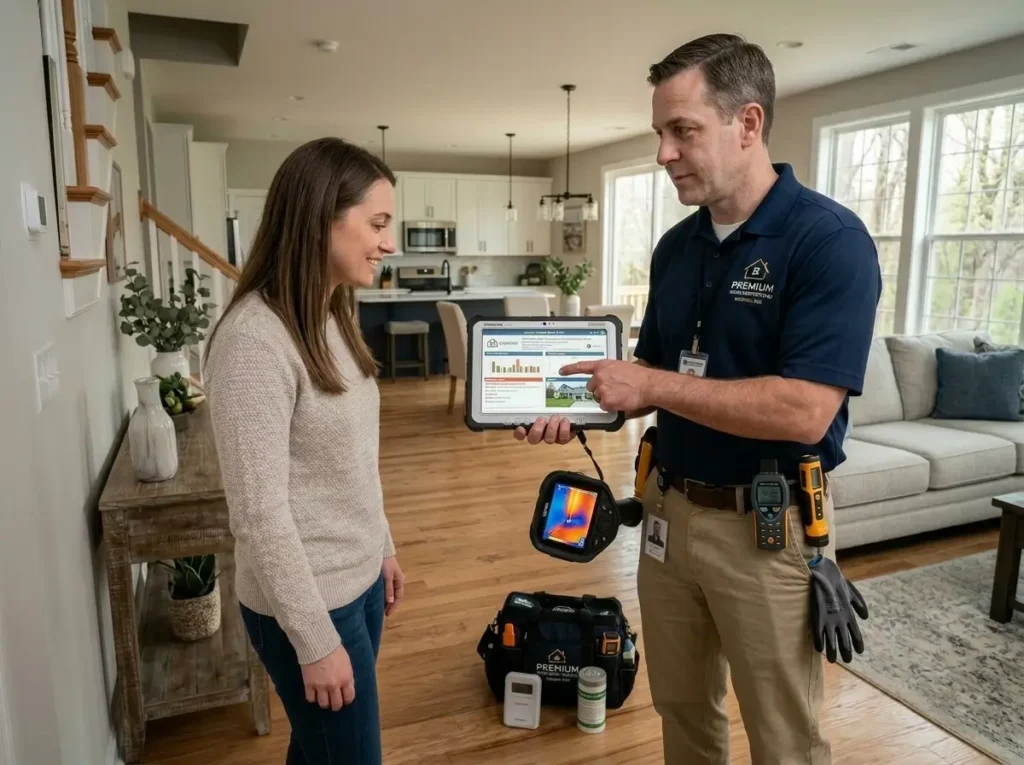
While some inspectors will only do a walk-through inspection, others may take it up a notch by using technology such as infrared cameras and moisture meters to detect problems you could not have found with just a flashlight and an inspection list. At Alhumd Home Inspection, we use infrared cameras and moisture meters in all our inspections.
When Should You Hire a Home Inspector?
Most purchasers arrange for an inspection within a week or two of signing the agreement, as most real estate agreements have an inspection contingency period that is usually 7 to 10 days long. If you are in an aggressive market and have deadlines to meet, you should begin your research on inspectors before even making an offer.
How Long Does a Home Inspection Take?
The typical inspection process takes 2-4 hours, depending on the house’s size, age, and conditions. The inspection of a condo or new townhouse could take 90 minutes, but the inspection of an older single family with the basement and crawlspace would take 4 hours or even more. It would be worthwhile attending the inspection personally because you would have the opportunity to ask questions directly and witness the problems in person rather than reading about them in a PDF report.
How Much Does a Home Inspection Cost?
Price is the detail most guides skip, and it is often the first question buyers actually have. Cost depends on square footage, age, and any add-on services like radon testing or sewer scope inspections.
| Home Type | Typical Size | Estimated Inspection Cost |
| Condo or apartment | Under 1,200 sq ft | $250 to $350 |
| Standard single-family home | 1,200 to 2,500 sq ft | $350 to $500 |
| Large or older home | 2,500+ sq ft | $500 to $700+ |
| Add-on: radon testing | Any size | $125 to $200 |
| Add-on: sewer scope | Any size | $150 to $300 |
Prices vary by region and by what technology and add-ons are included, so always ask for a full breakdown before booking rather than comparing one flat number across companies.
What Makes a Good Home Inspector?
All inspectors do not approach the job in the same manner. The distinction between a good report and a weak one is often a matter of a few characteristics that set them apart.
Professional membership. Check to see if the inspector belongs to professional associations such as ASHI or InterNACHI, which require its members to adhere to certain standards and engage in ongoing education.
State licensing. In many states, a license or a required number of training hours are mandated. A licensed inspector has met at least a minimum standard that your state finds satisfactory.
Experience with your type of home. Condos, historic homes, and new constructions have different challenges to deal with. A specialist in your kind of property will find some things overlooked by a generalist.
Detailed, organized reports. A good inspector gives his findings in a straightforward language and supports it with photos rather than checkmarks indicating passing or failing grades.
Specialized equipment. Make sure that the inspector uses thermal imaging and moisture meters, which can detect issues not accessible to a standard visual inspection. Our inspection services page includes an inventory of equipment used in all inspections.
Red Flags to Watch For
Most guides only tell you what to expect. It is equally important that you know what signs to watch out for that you need to continue looking.
- No license or certificate where it is needed in your state. This is an absolute must-have.
- Refusal to provide a sample inspection report. A professional inspector will willingly do so before any payment.
- Unclear prices or insistence on booking on the spot without information on what exactly is included. A good inspector always clarifies in advance.
- No errors and omissions coverage. This will help if anything goes wrong, and your inspector has overlooked it.
- Insistence that you cannot accompany them during the inspection. This must not happen under any circumstances.
- Inspection reports with no pictures or very vague descriptions such as “minor problems detected.” You pay for thoroughness, not just a checklist.
How to Choose a Home Inspector: Step by Step
1. Go to your personal network. People who just bought homes, whether they are friends, family members, or colleagues, can help you identify reliable inspectors, and also those who are not to be trusted again.
2. Go to your realtor, but do your homework as well. Realtors will definitely give you a list of inspectors to contact, but it may be a good idea to verify this list yourself.
3. Compare credentials side by side.
| What to Check | Why It Matters |
| ASHI or InterNACHI membership | Confirms ongoing training and standards compliance |
| State license (where required) | Confirms a legal baseline of qualification |
| Sample report availability | Shows you the level of detail before you pay |
| Online reviews | Reveals communication style and reliability |
| Insurance (E&O coverage) | Protects you if something is missed |
| Technology used (thermal imaging, moisture meters) | Determines how thorough the inspection actually is |
4. Inquire about the re-inspection policy. If any repair work is done following the first inspection, there are certain inspection companies that provide a lower price on re-inspection for clients who have originally used their service. Alhumd Home Inspection is one company that provides this option.
Questions to Ask Before You Book
- What specifically gets included and what specifically gets left out?
- Do you perform thermal imaging and moisture metering regularly?
- How long would it take to conduct an inspection on a house like mine?
- Would I get a written report with pictures and how quickly?
- Am I allowed to join you during the inspection process and ask questions then?
- How much do you charge overall including add-ons?
What Happens After the Home Inspection Report Arrives?
When you have the report in your hands, examine it thoroughly, preferably along with your real estate agent. Once you do that, you will usually be faced with three options: ask for some fixes or a discount off the price from the seller, seek professional help, such as from a plumber or an electrician, to examine a particular problem, or proceed knowing all about the property you are getting. None of those options is always correct. The purpose of the examination is simply to have all the facts rather than guess.
Frequently Asked Questions
You are not obligated to be present; however, it is highly recommended to do so.
The vast majority of inspectors produce a written report with photographs no later than 24-48 hours after the inspection process is completed.
No. Inspections cannot end in pass/fail results. Inspections simply document the current state of a home, helping you understand what needs to be done.
No. Home inspection is related to evaluating a house’s condition, whereas an appraisal is a market evaluation of a property.
Check the prices for re-inspection with your home inspector in advance. Many firms offer a reduced price for their clients coming back for another inspection.
Buying a Home? Get the Facts Before You Sign
A professional home inspection can reveal hidden issues and help you move forward with confidence. Contact Alhumd Home Inspection today for a thorough inspection and a detailed report you can rely on.
Final Thoughts
Choosing a home inspector has nothing to do with choosing an immaculate house. It has everything to do with choosing someone who will be qualified and open with you regarding what you are getting, at a reasonable cost, without any hidden surprises. Spend the extra hour that it takes to choose wisely, and you’ll save yourself thousands of dollars after the sale.