
Buying a home is a journey filled with hope, excitement, and a fair share of anxiety. You spend months searching for the perfect place, and when you finally find it, you make an offer. Once the seller accepts, the next big hurdle is the home inspection. This is the moment of truth. Many buyers sit nervously by the phone, waiting to hear if the house “passed” or “failed.”
But here is the truth that surprises many people: a house cannot actually fail a home inspection. There is no passing grade and there is no failing score.
At Alhumd Inspections, we often see buyers breathe a huge sigh of relief when they hear this. A home inspection is not a test. It is a detailed, objective roadmap of the property current condition. Our job is not to give the house a grade. Our job is to give you the facts, protect your family from safety hazards, and ensure you are making a sound financial decision.
While the house itself does not fail, the findings inside the report can absolutely cause a real estate transaction to fall apart. Let us decode the major defects and safety hazards that can turn your dream home into a dealbreaker, and help you understand what to do when you find them.
Buy with Confidence. Schedule Your Home Inspection Today
A home inspection doesn’t determine whether a house passes or fails; it gives you the information you need to make a smart decision. At Alhumd Inspections, we provide thorough, easy-to-understand inspection reports that uncover major defects, safety hazards, and costly issues before you close. Schedule your professional Maryland home inspection today and move forward with confidence.
Schedule Your Home InspectionThe Myth of Passing or Failing
Think about when you go to the doctor for a checkup. The doctor does not give you a pass or fail grade. They simply tell you what is working well, what needs attention, and what might be a problem in the future. A home inspection works exactly the same way.
A home inspector evaluates the visible and accessible components of the home. We document material defects. A material defect is a specific issue with a property that has a significant impact on its value, or poses an unreasonable risk to the people living there.
Every single house, even a brand new construction, will have items listed in the inspection report. A missing smoke detector or a leaky faucet does not mean the house failed. It just means there are items that need attention. However, when we uncover major defects and safety hazards, they can threaten your mortgage approval, drain your bank account, or put your family in danger. These are the issues that can make a deal fall through.
The Three Pillars of Major Defects
When we review a home inspection report, major defects usually fall into three main categories. Understanding these categories will help you know when to negotiate and when to walk away.
Pillar One: Structural Integrity (The Backbone)
The structure is the backbone of the home. If the bones are weak, the entire house is at risk. Structural defects are the most serious findings because they are incredibly expensive to fix and affect the long term stability of the property.
Foundation Problems: Cracks in the foundation walls, bowing basement walls, or uneven settling are massive red flags. Here in Maryland, our soil holds a lot of moisture. When the ground swells and shrinks with the seasons, it puts immense pressure on foundations. If the foundation is failing, you may notice doors that stick, windows that will not close, or floors that slope.
Damaged Framing: Rotted floor joists, damaged roof trusses, or load bearing walls that have been improperly cut during a renovation are severe structural defects. If the framework cannot support the weight of the house, it is unsafe.
Severe Roof Damage: A roof that is at the end of its lifespan, has missing flashing, or suffers from major active leaks compromises the entire structure beneath it. Water intrusion from a bad roof rots wood and creates mold. Lenders and insurance companies almost always require a sound roof to close a deal.
Pillar Two: System Failures (The Lifeblood)
The mechanical systems are the lifeblood of the home. They keep you warm, safe, and supplied with water. When these major systems fail, replacing them costs thousands of dollars.
Electrical Hazards: Faulty wiring is a severe safety hazard and a common reason deals fall apart. Outdated wiring like knob and tube, or aluminum wiring found in many older homes, poses a serious fire risk. Overloaded electrical panels and DIY electrical work that bypasses safety standards are also major defects. Mortgage lenders will often refuse to fund a loan until electrical hazards are fixed by a licensed professional.
Plumbing Disasters: Outdated or failing pipe materials are a huge concern. Polybutylene pipes, commonly used in homes built before the mid 1990s, are known to burst without warning. Galvanized steel pipes corrode from the inside out, leading to poor water pressure and hidden leaks. Hidden leaks can cause massive structural damage and mold growth over time.
HVAC Breakdowns: A completely non functioning heating or cooling system is a major defect. Replacing an HVAC system can cost thousands. Because these systems are essential for comfortable and safe living, lenders often require them to be operational before closing.
Pillar Three: Health and Safety Hazards (The Air You Breathe)
These defects can immediately threaten the health of your family or prevent you from getting homeowners insurance.
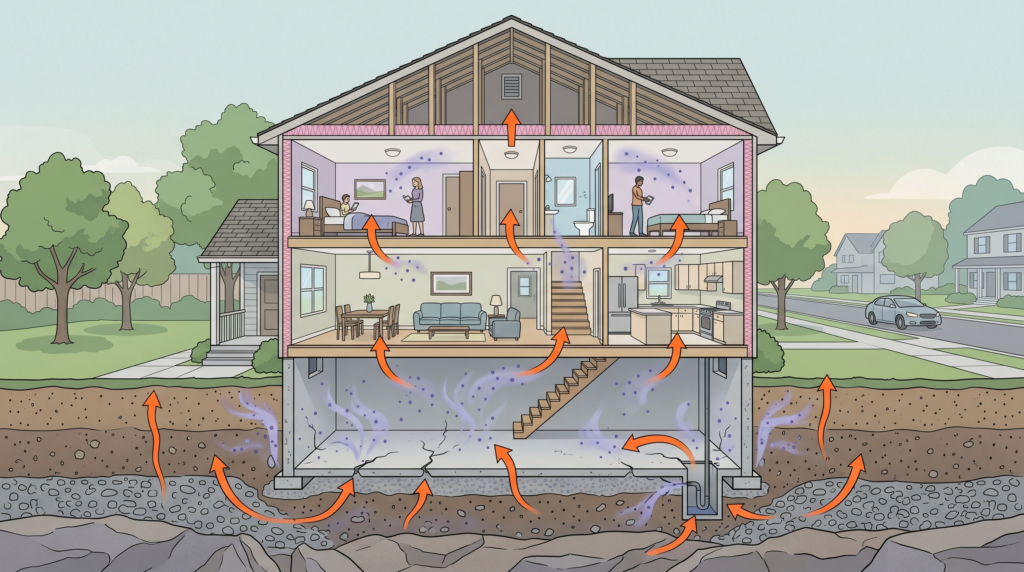
Toxic Materials: The presence of asbestos, lead based paint, or high levels of radon gas are serious safety hazards. Radon is a radioactive gas that seeps from the ground into the home. It is the second leading cause of lung cancer and is very common in Maryland homes. These issues require professional testing and specialized remediation.
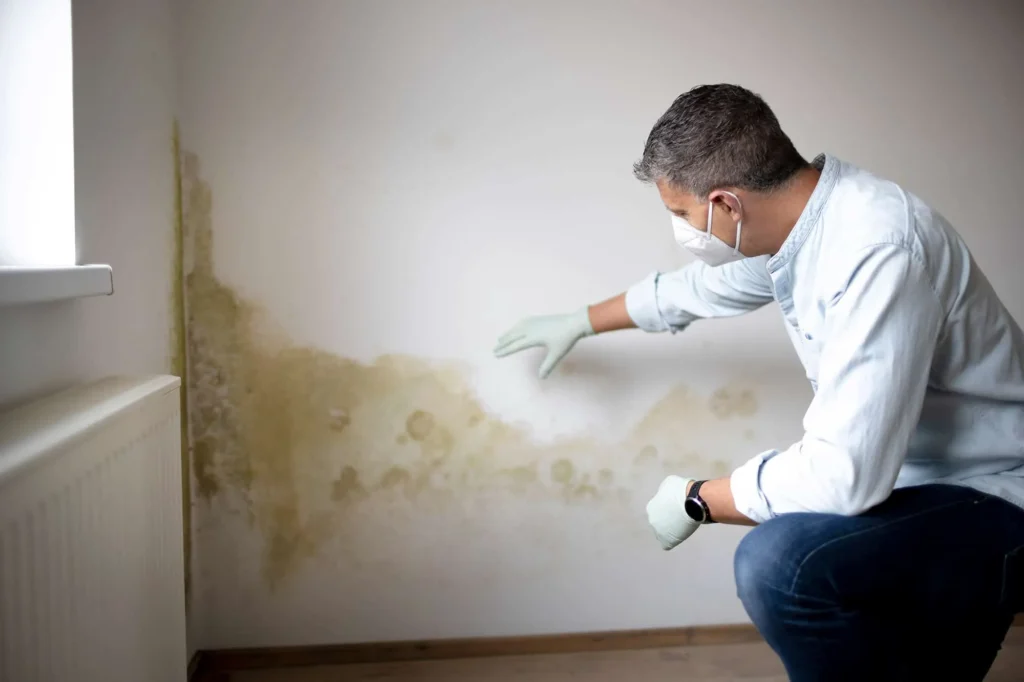
Mold and Mildew: Extensive toxic mold caused by chronic plumbing leaks, poor ventilation, or water intrusion is a major defect. Mold is not just a cosmetic issue. It destroys the wood in your home and can cause severe respiratory problems, especially for children and the elderly.
Pest Infestations: Evidence of termites, carpenter ants, or rodents threatens both the structure and your safety. Termites can silently eat away the wooden framing of a house, causing catastrophic structural failure. Lenders generally require a clear termite report before they will approve a mortgage.
Do Not Sweat the Small Stuff
It is important to keep perspective when reading your home inspection report. Not every item is a major defect. Inspectors will also note minor safety oversights that are easy and inexpensive to fix.
Missing GFCI outlets in the bathrooms, a lack of smoke detectors, or a wobbly handrail on the stairs are all common findings. These are minor issues. They should not scare you away from a house, but they are documented so you can bring the home up to modern safety standards.
Turning Defects into Solutions
When major defects or safety hazards are identified, it does not mean you have to run away screaming. It simply means you have work to do. Armed with the facts from your Alhumd Inspections report, you have three clear options:
1. Request Repairs: You can ask the seller to fix the hazardous issues before closing. This is very common for safety hazards like faulty wiring or active plumbing leaks. However, keep in mind that the seller is not obligated to fix anything unless it is written into the contract.
2. Ask for a Price Reduction or Credit: You can negotiate a lower purchase price or ask the seller for a credit toward your closing costs. This puts the money back in your pocket so you can hire your own contractors to fix the issues properly after you move in. Many buyers prefer this route because they trust their own contractors over the seller quick fixes.
3. Walk Away from the Deal: If the defects are too severe, the repair costs are too high, and the seller refuses to compromise, you can walk away. This is why your inspection contingency is the most important part of your real estate contract. It allows you to cancel the purchase and get your earnest money refunded if the home has major, unresolvable problems.
Finding Peace of Mind with Alhumd Inspections
A home inspection is not a hurdle to jump over. It is a protective shield. Finding out about major defects before you close is a blessing, not a curse. It is far better to lose a deal than to buy a house that makes you house poor or puts your family in danger.
At Alhumd Inspections, we are dedicated to bringing you peace of mind. We give you the clear, objective, and detailed information you need to make the best decision for your future. Whether you need to negotiate a better price or find the confidence to walk away, we are here to guide you every step of the way.
Do not leave your biggest investment to chance. Contact Alhumd Inspections today to schedule your comprehensive property evaluation. Let us uncover the facts so you can move into your new home with total confidence and gratitude.