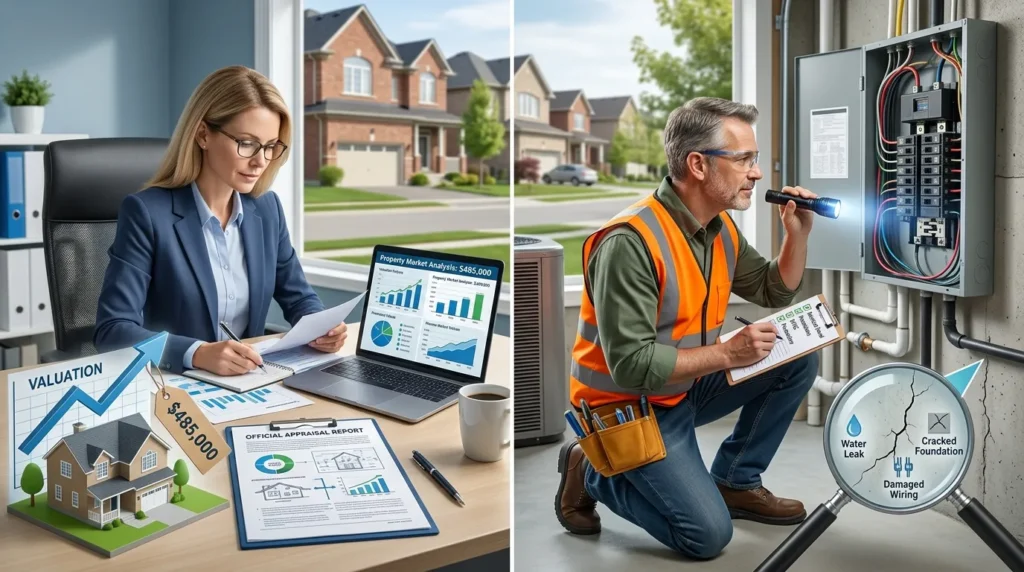
Buying a property is one of the most significant financial decisions most people will ever make. Whether you’re purchasing a family home, an investment property, or a commercial building, appearances can be deceiving. A freshly painted wall, modern flooring, or attractive landscaping may hide serious structural or mechanical issues that could cost thousands of dollars to repair.
This is where a Property Condition Assessment (PCA) becomes invaluable. A PCA provides a detailed evaluation of a property’s physical condition, helping buyers identify existing problems, estimate future maintenance costs, and make informed purchasing decisions. While some issues uncovered during an assessment are relatively minor and can be negotiated with the seller, others are major warning signs that should make you reconsider the purchase altogether.
Understanding these critical red flags can save you from unexpected expenses, safety hazards, and long-term financial stress. Here are the biggest warning signs revealed during a Property Condition Assessment—and when it’s time to walk away.
Avoid Costly Property Surprises with a Professional Inspection
Before you commit to buying a property, let Alhumd Inspections uncover hidden issues like structural damage, water intrusion, mold, roofing problems, and other costly defects. Our comprehensive Property Condition Assessments help you make informed decisions and invest with confidence.
Schedule Your Property Inspection1. Major Structural Damage
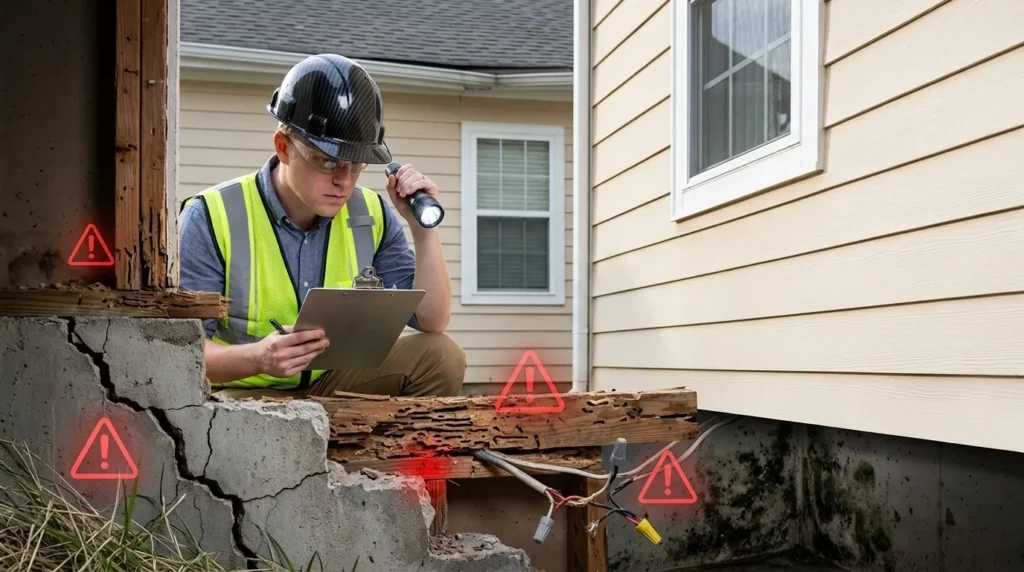
Structural integrity is the foundation of any building. If the assessment uncovers significant structural issues, it should immediately raise concerns.
Common signs include:
- Large foundation cracks
- Uneven or sloping floors
- Bowing or leaning walls
- Sagging roofs
- Separation between walls and ceilings
- Doors and windows that no longer close properly
While small settlement cracks are often normal, extensive structural damage can indicate serious foundation failure or movement.
Structural repairs are among the most expensive renovations, often costing tens of thousands of dollars. In severe cases, repairs may not completely solve the underlying issue, reducing the property’s long-term value.
If the structural engineer recommends major reconstruction, walking away is often the safest financial decision.
2. Water Damage and Moisture Problems
Water is one of the most destructive forces affecting buildings. Even minor leaks can lead to widespread deterioration if left untreated.
A Property Condition Assessment may reveal:
- Water stains on ceilings or walls
- Damp basements
- Foundation moisture
- Rotting wood
- Peeling paint
- Mold growth
- Poor drainage around the property
Water intrusion often signals hidden problems behind walls, under flooring, or inside the foundation.
Long-term moisture damage weakens structural materials, encourages mold growth, and creates unhealthy living conditions.
If the source of the moisture cannot be identified or appears extensive, the repair costs may exceed your expectations.
3. Extensive Mold Infestation
Mold is more than just an unpleasant sight—it can pose serious health risks and indicate ongoing moisture problems.
Warning signs include:
- Black or green discoloration
- Musty odors
- Visible fungal growth
- Previous water damage
- Poor ventilation
Some mold remediation projects are relatively straightforward, while others require removing drywall, insulation, flooring, and HVAC components.
If toxic mold has spread throughout multiple areas of the property, remediation costs can become substantial.
More importantly, unless the moisture source is permanently resolved, mold is likely to return.
4. Roof Nearing Failure
A roof protects every other part of the building. When it reaches the end of its lifespan, multiple systems become vulnerable.
Property assessments often identify:
- Missing shingles
- Soft roof decking
- Active leaks
- Damaged flashing
- Poor drainage
- Worn roofing materials
Replacing a roof is a significant investment, particularly for large homes or commercial buildings.
While an aging roof alone may not justify abandoning a purchase, combining roof failure with structural damage or water intrusion often creates a much larger financial burden.
5. Electrical System Hazards
Outdated or improperly installed electrical systems create both safety risks and expensive upgrade requirements.
Inspectors commonly identify:
- Aluminum wiring
- Knob-and-tube wiring
- Overloaded electrical panels
- Exposed wiring
- Missing grounding
- Improper electrical modifications
- Burn marks inside breaker panels
Electrical problems increase the risk of fires and may prevent homeowners from obtaining insurance coverage.
If the property requires a complete electrical rewiring, the repair costs can quickly escalate.
6. Plumbing System Failures
Plumbing problems extend far beyond dripping faucets.
A Property Condition Assessment may uncover:
- Corroded supply lines
- Polybutylene piping
- Sewer line damage
- Low water pressure
- Hidden leaks
- Poor drainage
- Water heater failure
Older galvanized pipes often restrict water flow and eventually fail.
Sewer repairs are especially concerning because replacing underground sewer lines requires excavation and can cost thousands of dollars.
Multiple plumbing failures throughout the property often indicate years of deferred maintenance.
7. HVAC Systems at the End of Their Life
Heating, ventilation, and air conditioning systems are expensive assets.
Assessments evaluate:
- Furnace condition
- Air conditioner performance
- Ductwork integrity
- Ventilation efficiency
- Equipment age
- Maintenance history
An HVAC system nearing replacement may not necessarily be a deal-breaker, but when combined with other major deficiencies, it adds considerably to your future expenses.
Older systems also consume more energy, increasing monthly utility bills.
8. Pest Infestations
Termites, carpenter ants, rodents, and other pests can silently destroy a property’s structure.
Inspectors look for:
- Wood damage
- Termite tunnels
- Droppings
- Nesting materials
- Chewed wiring
- Damaged insulation
Termite damage is particularly concerning because it often remains hidden until significant structural deterioration has occurred.
Extensive pest damage may require structural repairs in addition to extermination.
9. Environmental Hazards
Older buildings may contain hazardous materials that require specialized removal.
Potential environmental concerns include:
- Asbestos insulation
- Lead-based paint
- Radon gas
- Underground oil tanks
- Contaminated soil
- Hazardous building materials
Environmental remediation can be extremely expensive and may involve government regulations, permits, and professional removal companies.
These issues should always be carefully evaluated before proceeding with a purchase.
10. Poor Maintenance History
Sometimes the biggest warning sign isn’t one specific problem—it’s evidence that the entire property has been neglected.
Examples include:
- Broken fixtures
- Deferred repairs
- Dirty mechanical rooms
- Damaged siding
- Leaking gutters
- Poor landscaping drainage
- Missing maintenance records
Neglected maintenance often suggests there are hidden issues that haven’t yet become visible.
If an owner ignored routine upkeep, there’s a higher likelihood that major systems have also been neglected.
11. Foundation Drainage Problems
Improper grading and drainage can slowly undermine a property’s foundation.
Inspectors may identify:
- Standing water
- Soil erosion
- Negative grading
- Blocked drainage systems
- Basement seepage
Water collecting around the foundation eventually causes settling, cracks, and structural movement.
Correcting drainage issues may involve excavation, waterproofing, retaining walls, or drainage system installation.
12. Illegal Renovations or Code Violations
Unpermitted work can become a major legal and financial problem.
Examples include:
- Basement conversions
- Garage apartments
- Electrical modifications
- Plumbing additions
- Structural alterations
- Room additions
Municipal authorities may require these renovations to be removed or rebuilt to current building codes.
This creates additional expenses while delaying occupancy or future resale.
Always verify permits for major renovations before purchasing.
When Should You Walk Away?
Not every issue discovered during a Property Condition Assessment should end the transaction. Many repairs are manageable and can even provide opportunities to negotiate a lower purchase price.
However, walking away becomes the smarter choice when several major red flags appear together.
Consider ending the purchase if:
- Structural damage is extensive.
- Foundation movement is ongoing.
- Water intrusion is widespread.
- Mold affects multiple areas.
- Multiple major systems require replacement simultaneously.
- Repair costs exceed your financial comfort level.
- Environmental hazards require costly remediation.
- The seller refuses inspections or repair negotiations.
- Unpermitted renovations create legal uncertainty.
Buying a property should never become an emotional decision. While it’s easy to fall in love with a home’s appearance or location, hidden defects can quickly turn a dream purchase into a financial nightmare.
Final Thoughts
A Property Condition Assessment is far more than a routine inspection—it’s a powerful decision-making tool that protects buyers from costly surprises. While no property is perfect, understanding the difference between cosmetic imperfections and major structural or mechanical issues is essential.
The biggest red flags—such as foundation problems, severe water damage, electrical hazards, mold infestations, roof failure, and extensive deferred maintenance—should never be ignored. In many cases, these issues indicate deeper problems that could require years of repairs and substantial financial investment.
The smartest buyers approach every assessment objectively. They weigh repair costs against the property’s value, consider long-term maintenance needs, and avoid rushing into a purchase based on emotions alone.
Remember, there will always be another property. Walking away from one with significant red flags may feel disappointing in the short term, but it could save you from years of unexpected expenses, legal complications, and ongoing stress. When a Property Condition Assessment reveals serious concerns that outweigh the property’s potential benefits, walking away isn’t giving up—it’s making a wise investment decision.