- Welcome to Alhumd Inspections
Termite Inspection Services in Maryland
- Licensed Maryland Termite Inspectors
- WDI (Wood Destroying Insect) Inspection Reports
- Same-Day Digital Reports
Whether you’re buying a home, selling a property, or simply want peace of mind, Alhumd Inspections provides reliable termite inspections throughout Maryland. Our licensed inspectors carefully examine your property for termites, wood-destroying insects, moisture conditions, and structural damage before costly problems develop.
Call us today at (667) 686 -7281 Or Use Promo Code “SELFSCHEDULE” and get an $20 discount.
We Are Certified Home Inspectors
Why Choose Alhumd Inspections for Termite Inspection Services
With years of experience performing professional termite inspections across Maryland and Washington, D.C., Alhumd Inspections is committed to protecting your property from costly termite damage. Our certified inspectors use proven inspection methods and advanced tools to identify active infestations, hidden damage, and conditions that may attract termites. We provide detailed, easy-to-understand digital reports with fast turnaround times, helping homeowners, buyers, and real estate professionals make informed decisions. Combining affordable pricing, reliable service, and extensive local expertise, we deliver thorough termite inspections you can trust for lasting peace of mind.

Why termite inspections are important in Maryland
Our Experience & Achievements
Why Maryland Homes Need Regular Termite Inspections
Maryland’s climate and housing conditions make termite inspections an essential part of home maintenance. The state’s warm, humid weather and frequent rainfall create the perfect environment for subterranean termites to thrive year-round. Moisture around foundations, crawl spaces, and basements increases the risk of termite activity, especially in homes with wood framing.
Many Maryland properties, including historic homes and older neighborhoods, contain aging wooden structures that are more vulnerable to termite damage. Even newer homes are not immune, as termites can enter through small cracks in foundations and begin feeding on structural wood without obvious signs.
During the spring, winged termite swarmers emerge to establish new colonies, making this one of the most active seasons for infestations across Maryland. Regular professional termite inspections help detect problems early, prevent expensive structural repairs, and give homeowners confidence that their property is protected from hidden termite damage.

Our Maryland Termite Inspection Services
Home Buyer Termite Inspection
Seller Termite Inspection
Annual Termite Inspection
Real Estate Transaction Inspection
WDI (Wood Destroying Insect) Inspection Report
VA Loan Termite Inspection
FHA Loan Termite Inspection
Conventional Loan Termite Inspection
New Construction Termite Inspection
Even newly built homes can be at risk of termite activity. Our new construction inspections verify that the property is free from visible termite issues and identify conditions that could increase the risk of future infestations.
Our Maryland Termite Inspection Services
Foundation
Basement
Crawl Space
Garage
Exterior Walls
Interior Walls
Roof Structure
Decks
Porches
Fences
Window Frames
Door Frames
Attic
Wooden Structures
Moisture-Prone Areas
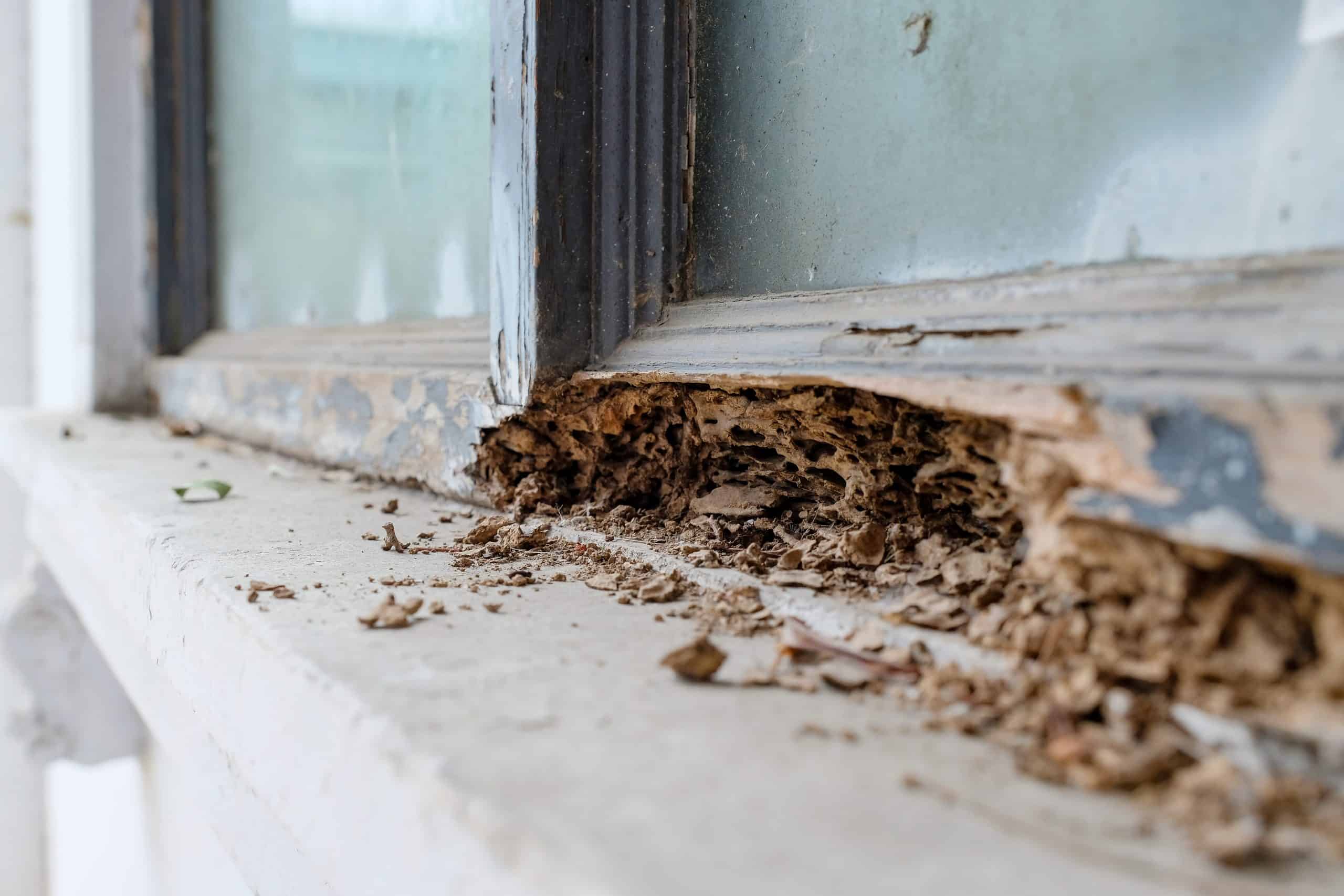
Signs of Termites in Maryland Homes
Mud Tubes
Hollow Wood
Termite Swarmers
Damaged Wood
Bubbling or Peeling Paint
Frass (Termite Droppings)
Tight Doors and Windows
Sagging Floors and Ceilings
If you notice any of these warning signs, scheduling a professional termite inspection as soon as possible can help prevent costly repairs and protect your Maryland home.
Understanding Your Termite Inspection Report
After a thorough termite inspection of your Maryland or D.C. area home, you will receive a detailed report. Understanding this report helps you take the right steps to protect your property from termite damage and future infestations.
Components of a Termite Inspection Report
Identification: The report includes your property details, inspector information, and inspection date.
Findings: This section explains any signs of termite activity or damage, including mud tubes, damaged wood, live termites, or termite droppings.
Interpreting Findings and Recommendations
Active Infestation: Indicates that live termites or current termite activity were found. Immediate action is recommended to prevent further damage.
Previous Activity: Signs such as old mud tubes or damaged wood may indicate past termite issues. Additional monitoring or evaluation may be recommended.
Next Steps Post-Inspection
If termites or damage are found:
Consult Professionals: Discuss treatment options with a licensed pest control professional.
Get Multiple Quotes: Compare options from qualified termite control companies.
Plan Repairs: Address any significant structural damage with a qualified contractor.
Follow-Up Inspections: Schedule regular home inspections to help prevent future termite problems.
Your termite inspection report is a valuable tool for making informed decisions about protecting your home. Taking timely action based on the findings can help safeguard your property against costly termite damage.
Termite Prevention and Control: Safeguarding Your Home

Termites can be a homeowner’s worst nightmare, causing significant structural damage that is costly to repair. Implementing effective prevention and control strategies is key to avoiding infestation.
Effective Strategies for Termite Prevention and Control
Reduce Moisture: Termites are attracted to moisture, so ensure that your home’s foundation is dry by fixing leaks and directing water away from the base with proper downspouts and gutters.
Wood Treatments: Apply termiticide on wooden elements of your house, especially those in contact with the ground or exterior walls.
Barriers: Physical termite barriers, such as steel mesh or sand, can prevent termites from entering from the ground.
Landscaping and Construction Tips Your home’s landscaping and construction play a vital role in termite prevention:
Keep Wood Away from Soil:
Keep wood, mulch, and other wooden materials at least 18 inches away from the foundation. Use termite-resistant wood for outdoor structures when possible.
Trim Vegetation:
Keep trees and shrubs away from your home’s exterior to prevent termite access and reduce moisture buildup.
Maintain Proper Ventilation:
Ensure crawl spaces, basements, and attics are well-ventilated to control humidity and discourage termite activity.
Regular Maintenance and Inspections
Annual Inspections:
Schedule yearly termite inspections, especially in high-risk areas.
Routine Checks & Repairs:
Regularly check for termite signs and quickly repair cracks, leaks, or damaged wood.
These preventive steps help reduce termite risks and protect your home from costly damage.

Our Termite Inspection Process
Step 1
Schedule Inspection
Step 2
Certified Inspector Visits
Step 3
Step 4
Data Collection (48 Hours)
Step 5
Step 6
Areas We Serve
- Maryland
- Washington D.C.
- Baltimore
- Frederick
- Montgomery County
- Howard County
- Anne Arundel County
- Prince George's County
Alhumd Termite Inspection Service FAQS
Real Reviews from Satisfied Clients
 Posted on Google
 Lyle Matsuoka
Trustindex verifies that the original source of the review is Google.
Ahmed is very knowledgeable and talks you through everything he is doing. Does an initial review with you and provides details. Recommend his services to everyone needing a home inspection.Posted on Google Joycelynn MatsuokaAhmed is thorough and explains everything throughout the inspection process. He is transparent and honest. The report was broken down and easy to understand. I would recommend him. As a first time homeowner, having Ahmed walk us through the inspection process is a breath of fresh air and gives us confidence that we are making the right choice and gives up peace of mind.Posted on Google
 Ashley WilkersonAhmed was a pleasure to work with. He was very professional and punctual. We received our inspection very quickly and it was really informative. I would definitely recommend him to anyone needing an inspection for their property.Posted on Google
 Blerta PAhmed did a fabulous job during the condo inspection. He is efficient, clear in his explanations, and sent me the report right away. Highly recommend!Posted on Google
 Akm UddinExcellent service and modern tech driven services. Very satisfied. Ahmad is really thorough and took time to do the perfect inspection.Posted on Google
 SethAhmed was friendly, professional, and thorough in his inspection. He was very knowledgeable and answered all my questions. As a first time homebuyer, I feel very comfortable and confident moving forward with the information Ahmed provided. I'm glad I chose to work with him and definitely recommend!Posted on Google
 T EAhmed is truly amazing! He was thorough and meticulous in completing our home inspection. He took the time to answer all of our questions and explained in detail any areas of concern. The drone feature he used was quite impressive and provided a full view of the state of our roof. We are delighted with his service and would recommend him 100%.Posted on Google
 TONY BELTRANThe inspection was very detailed covering every area of the house. Ahmed gave us the opportunity to ask questions along the way. He explained everything we needed to know and gave us the appropriate recommendations to follow. The drone was a plus to inspect the roof. Recommend Ahmed 100%Posted on Google
 Olivia LangI had a great experience with Alhumd inspections. They were extremely thorough and efficient. I Plan to continue working with Alhumd for future inspections.
Read Alhumd Termite Inspection Blog & Article
Explore the Latest Discoveries in Termite Inspections: Essential Insights from Your Trusted Home Inspection Company.
Concerned About Termite Damage in Your Home?
Schedule a professional termite inspection with Alhumd Inspections today and get accurate findings, detailed reports, and the peace of mind you need to protect your property from costly termite damage.