- Welcome to Alhumd Inspections
Professional Radon Inspection Services in Maryland
Our certified inspectors provide professional radon testing services across Maryland, bringing a meticulous approach to every home. We carefully evaluate radon levels to identify potential risks that could affect the safety and well-being of your family.
Call us today at (667) 686 -7281 Or Use Promo Code “SELFSCHEDULE” and get an $20 discount.
We Are Certified Home Inspectors
Why Choose Alhumd Inspections
With over 2,000+ radon inspections completed across Maryland and D.C., Alhumd Inspections brings unmatched experience and reliability to every job. Our team of certified inspectors uses advanced testing equipment to deliver accurate, trustworthy results. We offer same-day digital reports so you can make informed decisions quickly — all at affordable pricing without compromising quality. Backed by deep local experience, we understand the unique radon risks in this region and provide tailored solutions that give you true peace of mind.

What is Radon?
Definition
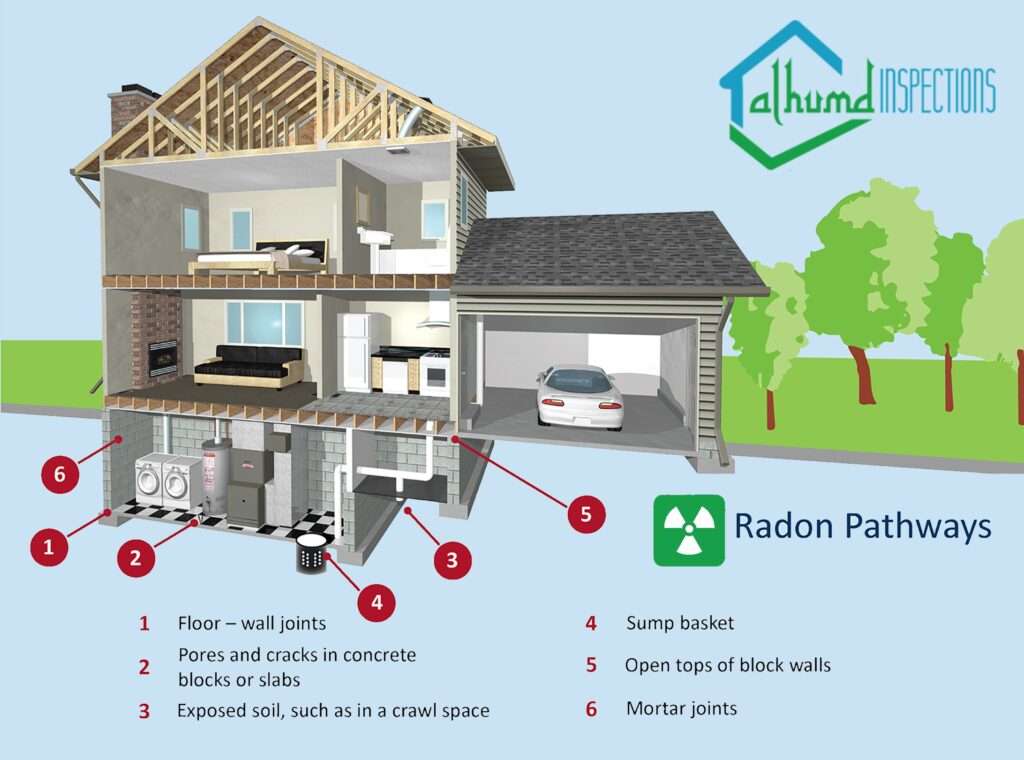
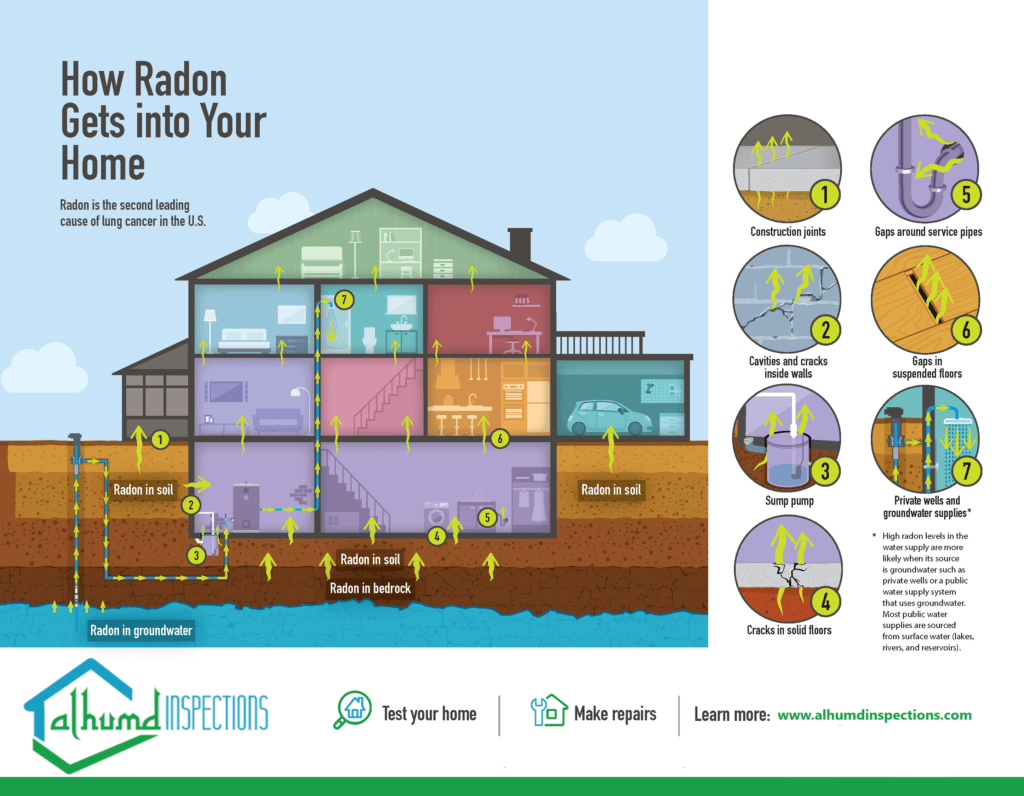
Radon is a naturally occurring, invisible, odorless, and tasteless radioactive gas. It is released from the natural decay of uranium found in soil, rock, and water. Radon can seep into homes through cracks in floors, walls, and foundations.
How Radon Forms
Radon forms when uranium in soil and rock undergoes radioactive decay. As uranium breaks down, it releases radon gas, which moves upward through the soil and into the atmosphere. Inside enclosed spaces, radon can become trapped and build up to unsafe concentrations.
Why It’s Dangerous
Radon is dangerous because it is completely undetectable by human senses — you cannot see, smell, or taste it. The EPA identifies radon as the second leading cause of lung cancer in the U.S., responsible for an estimated 21,000 lung cancer deaths each year.
Health Risks
EPA Information
- Action Level: Take action if radon is 4 pCi/L or above.
- Consideration Level: Consider mitigation between 2–3.9 pCi/L.
- Testing Recommendation: The EPA recommends all homes be tested for radon.
Want to know if your home has unsafe radon levels?
Schedule a professional radon test with Alhumd Inspections today — and protect your family with accurate, reliable results.
Why Radon Testing is Important
Invisible & Odorless
Radon is completely undetectable by human senses. You cannot see, smell, or taste it — testing is the only way to know if it’s present in your home.
Second Leading Cause of Lung Cancer
The EPA reports radon is the second leading cause of lung cancer in the U.S., responsible for an estimated 21,000 deaths annually — and the #1 cause among non-smokers.
Protecting Your Family
Required During Many Home Sales
Peace of Mind
Areas We Serve
- Maryland
- Washington D.C.
- Baltimore
- Frederick
- Montgomery County
- Howard County
- Anne Arundel County
- Prince George's County
Our Radon Inspection Process
Step 1
Schedule Inspection
Step 2
Certified Inspector Visits
Step 3
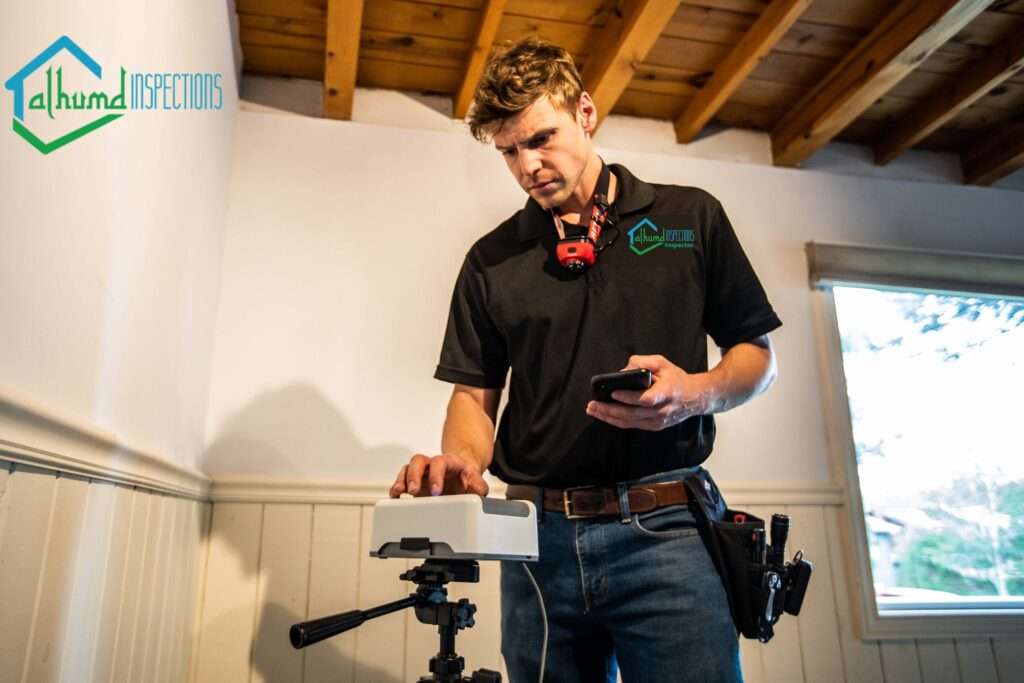
Professional Radon Testing
Step 4
Data Collection (48 Hours)
Step 5
Step 6
How We Test for Radon
Alhumd MD Home Inspection Company Achievement
Why Our Testing is Accurate
Understanding Your Radon Results
What is pCi/L? Picocuries per liter: the standard unit for measuring radon levels.
Safe Levels: Below 2 pCi/L is generally considered safe.
EPA Action Level: 4.0 pCi/L or above — action is recommended.
When mitigation is needed: If your radon level is 4.0 pCi/L or higher, you should install a radon reduction system.
Health Risks of Radon Exposure
- Lung cancer risk: Radon is the second leading cause of lung cancer.
- Smokers vs Non-smokers: Smokers face a much higher risk.
- Long-term exposure: Prolonged exposure increases the danger over time.
- Family safety: Testing protects everyone in your home.
Radon Prevention Tips
- Seal Foundation Cracks: Prevent radon gas from entering through gaps.
- Improve Ventilation: Increase airflow to reduce radon buildup.
- Install Mitigation System: A professional system can lower radon levels effectively.
- Retest Regularly: Test your home every 2 years or after renovations.
Preparing Your Home for Testing
- Keep windows closed: Close all windows 12 hours before testing.
- Keep doors closed: Limit outside air entering the home.
- HVAC instructions: Keep your heating or cooling system running normally.
- Avoid fans: Turn off large fans or ventilation systems.
- Testing conditions: Ensure the testing area is accessible and stable.
What Happens After the Inspection?
- Receive Report: You’ll get a detailed digital report on the same day.
- Review Results: Go through the findings with your inspector.
- Recommendations: Get expert advice on what to do next.
- Next Steps: We guide you through any actions needed.
- Mitigation Referral: If needed, we connect you with trusted mitigation professionals.
Preparing Your Home for Testing
- Keep windows closed: Close all windows 12 hours before testing.
- Keep doors closed: Limit outside air entering the home.
- HVAC instructions: Keep your heating or cooling system running normally.
- Avoid fans: Turn off large fans or ventilation systems.
- Testing conditions: Ensure the testing area is accessible and stable.
Why Homeowners Trust Us
How to test for Radon?
Advanced Continuous Radon Monitoring with the 1028 XP™
At Alhumd Inspections, we exclusively use the 1028 XP™ – the most advanced monitor on the market – to provide reliable and versatile radon testing services across Maryland and Washington D.C.
About the 1028 XP™
The 1028 XP™ by SunRADON is a leader in radon detection technology. It offers solid-state detection capabilities that our team trusts for accuracy and dependability. This advanced device delivers precise, continuous readings you can rely on.
Key Benefits of Choosing Alhumd Inspections
Certified Accuracy: The 1028 XP™ is NRPP, C-NRPP, and NRSB certified, meeting the highest standards for radon measurement.
Environmental Sensing: Plug-and-play upgrades with environmental sensors provide more data and deeper insights into conditions that affect radon levels.
Protecting Your Health: Understanding and Preventing Radon Exposure
Radon exposure is a silent but serious health risk, especially in enclosed spaces where it can accumulate to dangerous levels. At Alhumd Inspections, we prioritize your health by providing clear information on radon risks and practical prevention strategies.
The Health Risks of Radon Exposure
Radon is a carcinogenic gas that significantly increases the risk of lung cancer. Because it is odorless, tasteless, and invisible, it can enter homes undetected and expose residents to harmful effects. Long-term exposure is the second leading cause of lung cancer after smoking, and the leading cause among non-smokers, according to the EPA.
The danger lies in radioactive particles that, when inhaled, damage the lining of the lungs. This damage can lead to lung cancer over time. Smokers face a much higher risk, and areas with dense radium in the soil — like Maryland and Washington D.C. — are especially vulnerable.
Strategies for Radon Exposure Prevention
Reducing radon levels in your home is key to minimizing health risks. Here are the preventative measures Alhumd Inspections recommends:
- Professional Radon Testing: Get accurate radon level assessments using our advanced 1028 XP™ continuous monitoring system.
- Sealing Cracks and Openings: Seal floors and walls, especially in older homes, to prevent radon from entering from the ground.
- Proper Ventilation: Ensure your home, especially basements and ground floors, is well-ventilated to disperse radon gas.
- Radon Mitigation Systems: Install a professional mitigation system to significantly reduce radon levels in your home.
By taking these steps, you can greatly reduce radon levels in your home and protect your family from serious health risks.
Home Radon Test Preparation: A Comprehensive Checklist for Homeowners
To ensure the most accurate results from your radon inspection, there are several steps you can take to prepare your home. Alhumd Inspections provides this checklist to help homeowners in Maryland and Washington D.C. get ready for our team’s arrival.
Before the Radon Inspection Team Arrives
Close Windows and Doors: Keep all windows and doors closed 12 hours before and during the testing period, except for normal entry and exit.
Maintain Normal Heating/Cooling Patterns: Do not alter your thermostat settings — keep the temperature consistent for accurate readings.
Avoid Using Fans or Devices That Increase Air Flow: Large fans or ventilation systems not part of your HVAC system should be turned off, as they can affect radon levels.
Provide Access: Ensure the testing area — typically the lowest lived-in level of the home — is accessible, and that crawl spaces or substructures can be entered by the inspection team.
Household Conditions That Can Affect Radon Levels
Certain conditions within your home can influence radon levels:
- High Humidity: Moisture in your home can skew radon test results. Use dehumidifiers to manage high humidity levels, especially in basements.
- Air Pressure: Significant differences in air pressure between the inside and outside of your home can affect radon levels. Make sure your home is as airtight as possible.
- Soil Changes: Recent soil disruption around your property — such as landscaping or construction — can release radon gases into your home.
By following this radon inspection checklist and preparing your home properly, you can help ensure the testing process goes smoothly and that you receive the most reliable results.
Navigating Your Radon Inspection Report: Analysis and Action Steps
A Quick Radon Inspection Report: Analysis and Action Steps
Understanding your radon inspection report is essential to ensuring the safety of your home environment. This guide will help you analyze your radon levels, understand what they mean, and decide on the right action plan for your property.
Interpreting the Radon Inspection Report
Your radon inspection report provides detailed information about radon levels in your home. Here is what to look for:
- Radon Concentration Levels: Measured in picocuries per liter (pCi/L) — this is the most important part of the report.
- Testing Conditions: Review the conditions during testing to make sure they match your home’s normal state.
- Methodology: Understand whether the test was short-term or long-term, as this may affect your next steps.
Understanding Action Levels
The EPA has set action levels to help homeowners understand when it’s necessary to take steps to reduce radon levels:
- 2 pCi/L – 3.9 pCi/L: While this range is below the EPA’s recommended action level, some homeowners may still choose to consider mitigation to improve indoor air quality.
- 4 pCi/L and Above: This is the level at which the EPA recommends taking action to reduce radon levels, as prolonged exposure increases the risk of lung cancer.
Creating Your Radon Action Plan
If your radon levels are at or above the action level, follow these steps:
- Verify the Results: If you conducted a short-term test, follow up with a long-term test to confirm the radon levels.
- Consult a Professional: Talk to a radon mitigation specialist to discuss the best solution for your home.
- Mitigation: Installing a radon mitigation system can significantly reduce radon levels in your home.
- Post-Mitigation Testing: After mitigation is complete, test again to ensure the system is working effectively.
By thoroughly understanding your radon inspection report and taking the right action, you can protect your property and the health of your family. If you need help, don’t hesitate to reach out to our team for expert guidance and a comprehensive radon action plan.
Alhumd Inspection FAQs About Radon Inspections
We recommend testing for radon every 2 years, or after any major renovations or changes to your home’s foundation. Regular testing ensures your home remains safe for your family.
Alhumd Radon Testing Reviews: Hear from Our Customers
 Posted on Google
 Lyle Matsuoka
Trustindex verifies that the original source of the review is Google.
Ahmed is very knowledgeable and talks you through everything he is doing. Does an initial review with you and provides details. Recommend his services to everyone needing a home inspection.Posted on Google Joycelynn MatsuokaAhmed is thorough and explains everything throughout the inspection process. He is transparent and honest. The report was broken down and easy to understand. I would recommend him. As a first time homeowner, having Ahmed walk us through the inspection process is a breath of fresh air and gives us confidence that we are making the right choice and gives up peace of mind.Posted on Google
 Ashley WilkersonAhmed was a pleasure to work with. He was very professional and punctual. We received our inspection very quickly and it was really informative. I would definitely recommend him to anyone needing an inspection for their property.Posted on Google
 Blerta PAhmed did a fabulous job during the condo inspection. He is efficient, clear in his explanations, and sent me the report right away. Highly recommend!Posted on Google
 Akm UddinExcellent service and modern tech driven services. Very satisfied. Ahmad is really thorough and took time to do the perfect inspection.Posted on Google
 SethAhmed was friendly, professional, and thorough in his inspection. He was very knowledgeable and answered all my questions. As a first time homebuyer, I feel very comfortable and confident moving forward with the information Ahmed provided. I'm glad I chose to work with him and definitely recommend!Posted on Google
 T EAhmed is truly amazing! He was thorough and meticulous in completing our home inspection. He took the time to answer all of our questions and explained in detail any areas of concern. The drone feature he used was quite impressive and provided a full view of the state of our roof. We are delighted with his service and would recommend him 100%.Posted on Google
 TONY BELTRANThe inspection was very detailed covering every area of the house. Ahmed gave us the opportunity to ask questions along the way. He explained everything we needed to know and gave us the appropriate recommendations to follow. The drone was a plus to inspect the roof. Recommend Ahmed 100%Posted on Google
 Olivia LangI had a great experience with Alhumd inspections. They were extremely thorough and efficient. I Plan to continue working with Alhumd for future inspections.
Read Alhumd Radon Inspection Service Blog & Article
Discover the Newest Findings from Alhumd Inspections: Must-Read Updates from Your Reliable Radon Inspection Home Service Firm.

Protect Your Family from Radon Today
Radon is invisible, odorless, and dangerous. Don’t wait until it’s too late. Schedule your professional radon inspection with Alhumd Inspections and get peace of mind knowing your home is safe.
Use promo code “SELFSCHEDULE” and get a $20 discount on your inspection!